Introduction
Body lotion is one of the largest categories in the personal care market, ranging from daily moisturizing products to premium body treatments and spa-inspired skincare collections.
Although the formula determines hydration performance, the packaging plays an equally important role in product success. A well-designed lotion bottle should provide smooth dispensing, protect the formula, reduce product waste, and create a positive experience for consumers.
For skincare brands, selecting the right body lotion packaging requires careful consideration of product viscosity, bottle material, pump performance, and brand positioning.
In this guide, we will explain how to choose the best lotion bottle and what factors manufacturers should evaluate before production.
What Is the Best Packaging for Body Lotion?
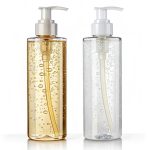
The best packaging for body lotion is a pump bottle that matches the product viscosity and provides convenient, controlled dispensing. PET bottles are widely used for everyday body lotions because they are lightweight, durable, and cost-effective, while PETG bottles are preferred for premium skincare brands because of their clear appearance and excellent decoration performance. Airless bottles are also suitable for high-end body lotions containing sensitive active ingredients.
Why Does Body Lotion Packaging Matter?
Body lotion is typically used frequently and in relatively large amounts compared with facial skincare products.
Consumers expect packaging that is easy to operate, comfortable to hold, and capable of dispensing the product smoothly until the container is empty.
Poor packaging choices can create problems such as:
- Pump failure
- Product waste
- Leakage during transportation
- Difficult dispensing
- Negative customer experience
For brands, packaging is not only a functional container but also an important part of product presentation and market differentiation.
What Factors Should Brands Consider When Choosing Lotion Bottles?
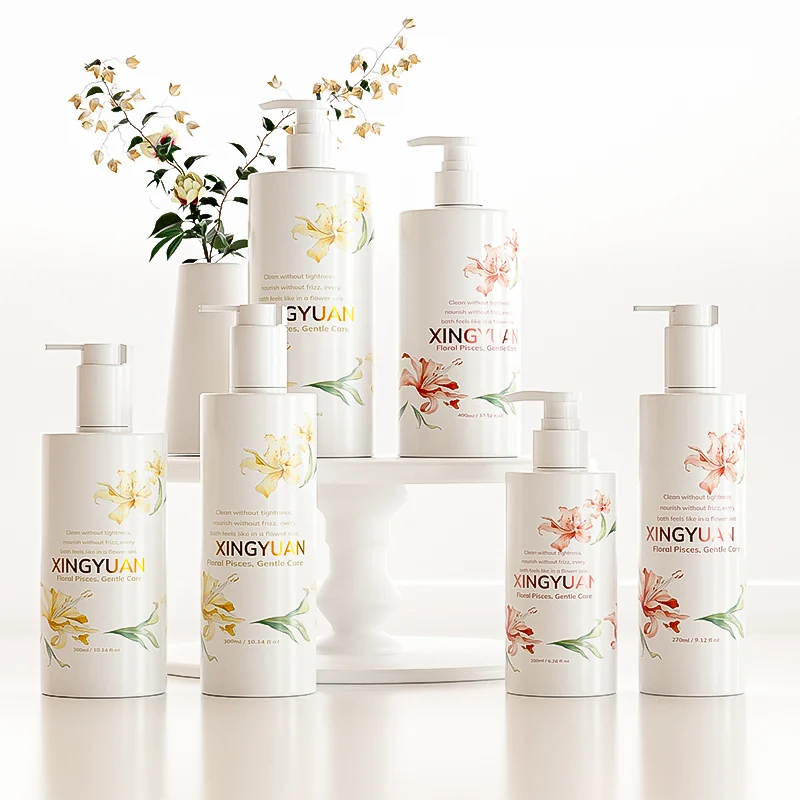
Product Viscosity
Body lotions can vary from lightweight emulsions to rich moisturizing creams.
The viscosity determines which dispensing system works best.
Lightweight lotions usually work well with standard lotion pumps, while thicker formulas may require pumps with stronger output capacity or wider dispensing channels.
Before mass production, manufacturers should test the actual formulation with the selected pump to ensure smooth performance.
Bottle Capacity
Body lotion products are often sold in larger sizes compared with facial skincare.
Common capacities include:
- 200ml
- 250ml
- 300ml
- 500ml
- 1000ml
The bottle size should match consumer usage habits and product positioning.
For example:
- Travel products may require smaller bottles.
- Family-use body lotions often use larger capacities.
- Premium body care products may focus more on design than volume.
Consumer Convenience
Body lotion is often applied with one hand after bathing or showering.
Therefore, packaging should provide:
- Easy pump operation
- Comfortable bottle shape
- Stable standing design
- Reliable closure performance
A well-designed bottle improves usability and encourages repeat purchases.
Common Packaging Options for Body Lotion
Lotion Pump Bottles
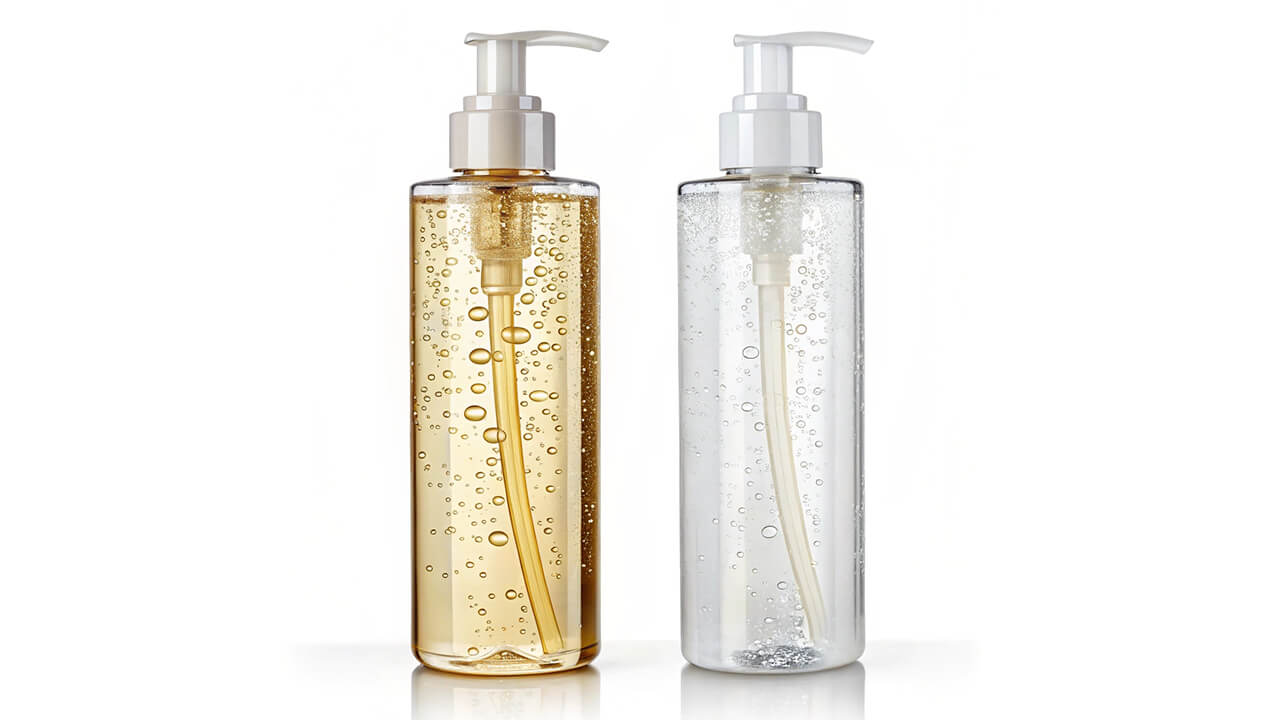
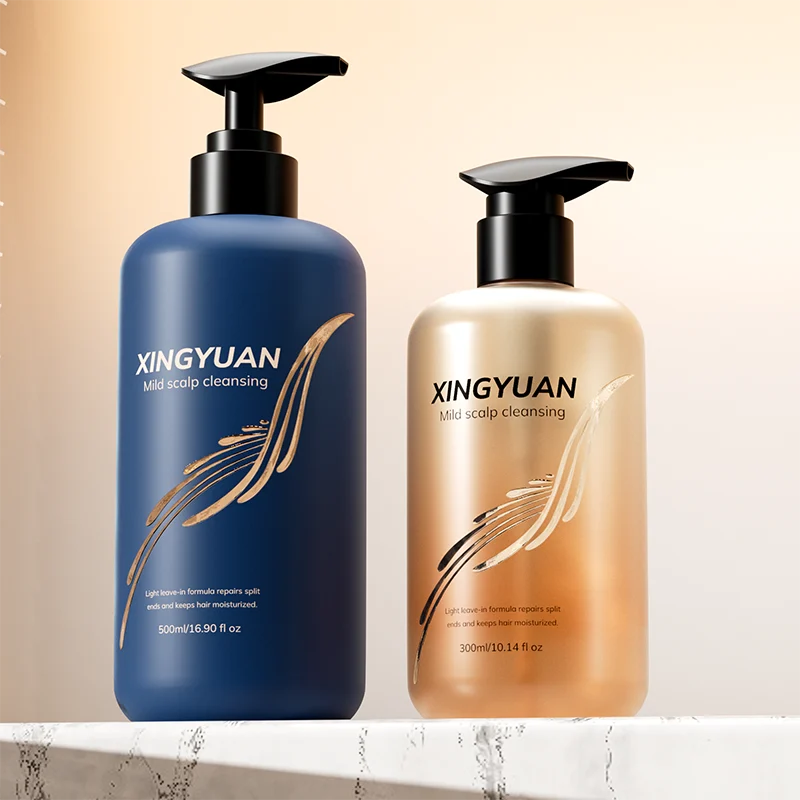
Lotion pump bottles are the most common packaging solution for body care products.
They provide controlled dispensing and are suitable for a wide range of lotion textures.
Advantages
- Easy daily use
- Hygienic dispensing
- Consistent dosage
- Suitable for large-volume products
Lotion pumps are widely used for:
- Body moisturizers
- Hand creams
- Body butter emulsions
- Professional spa products
Airless Lotion Bottles
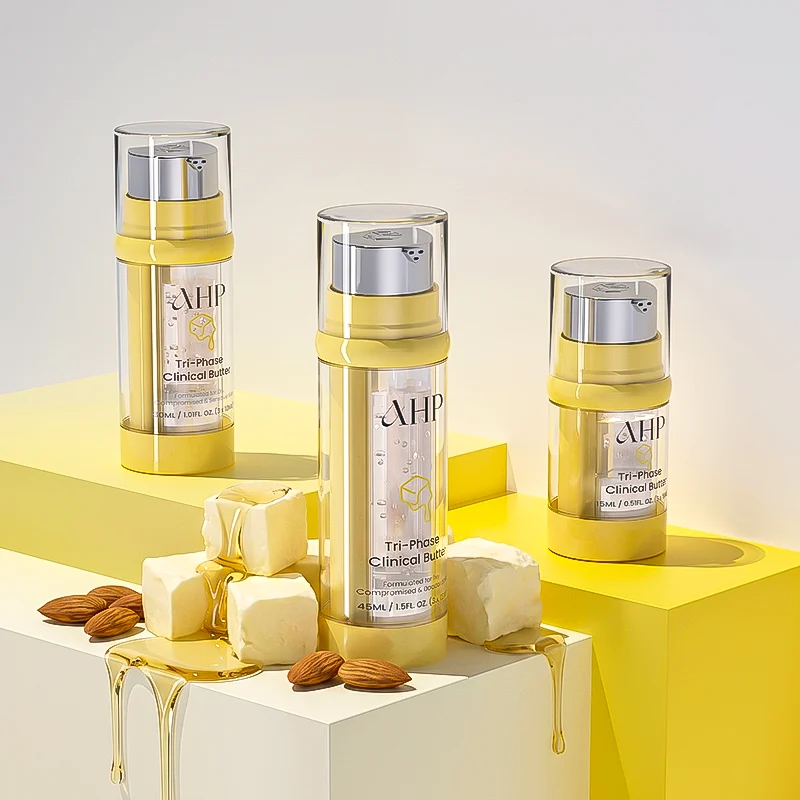
Airless bottles are increasingly used for premium body care products.
The vacuum system reduces air exposure and helps maintain formula quality throughout product usage.
Recommended Applications
Airless lotion bottles are suitable for:
- Anti-aging body creams
- Sensitive skin products
- Premium body treatments
- Products containing active ingredients
Flip Top Bottles
Flip top bottles remain popular for affordable and travel-friendly body lotion products.
They are simple, lightweight, and economical.
However, compared with pumps, they generally provide less dispensing control and may require more effort from consumers.
Choosing the Right Material for Lotion Bottles
PET Lotion Bottles
PET is one of the most commonly used materials for lotion packaging.
Lightweight and Durable
PET bottles provide excellent strength while keeping transportation costs low.
Manufacturers test bottle thickness, impact resistance, and structural stability to ensure reliable performance.
Cost Efficiency
For brands producing large quantities of body lotion, PET provides an excellent balance between quality and production cost.
Decoration Options
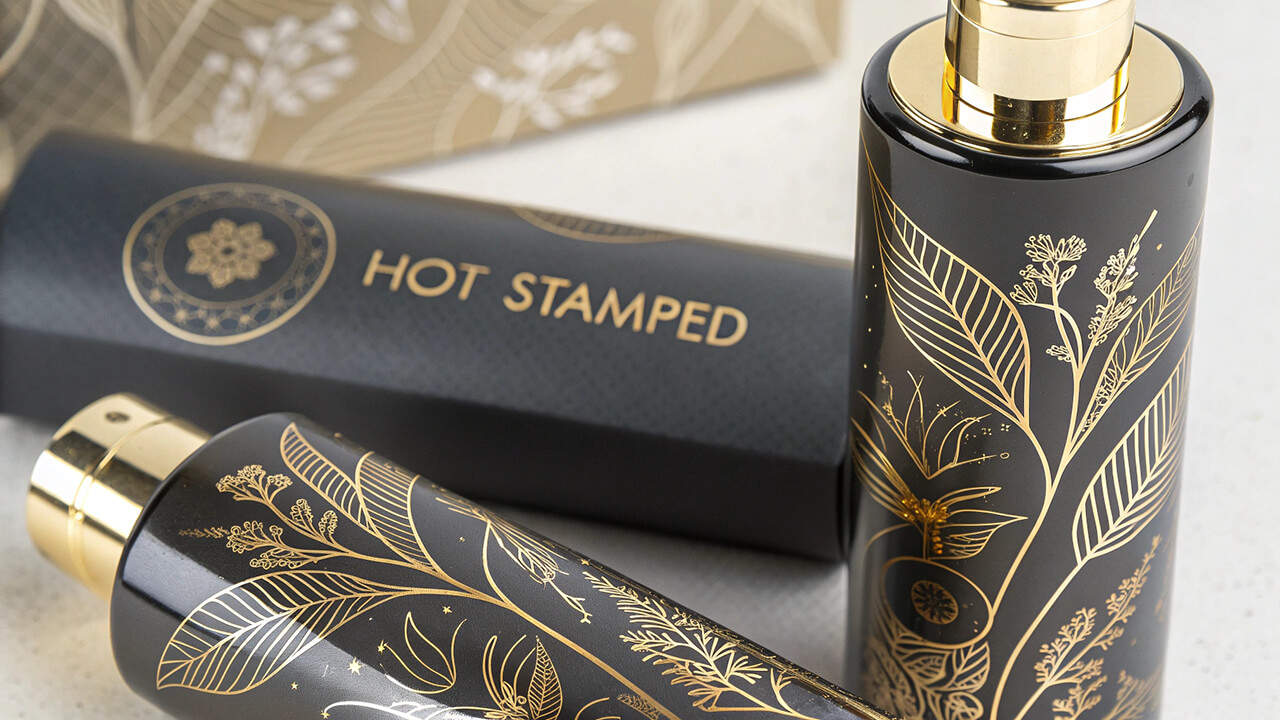
PET supports many decoration methods, including:
- Silk printing
- Labeling
- Hot stamping
- Spray coating
This allows brands to create attractive packaging across different market segments.
PETG Lotion Bottles
PETG is often selected for premium body care collections.
Premium Appearance
PETG provides high transparency and a luxurious appearance similar to glass.
This makes it suitable for brands that want stronger shelf appeal.
Excellent Decoration Performance
PETG works well with advanced surface treatments, including:
- Frosted finishes
- UV printing
- Metallic effects
- Gradient spraying
These options help create unique packaging designs.
Durability Advantage
Compared with glass, PETG offers better impact resistance and lower transportation risk.
PCR Plastic Lotion Bottles
Sustainability has become increasingly important in cosmetic packaging.
PCR plastic allows brands to incorporate recycled materials into packaging while maintaining functional performance.
Brands should evaluate:
- Required recycled content percentage
- Appearance expectations
- Regional sustainability regulations
Lotion Pump vs Airless Bottle: Which Is Better?
| Feature | Lotion Pump Bottle | Airless Bottle |
| Cost | Lower | Higher |
| Formula Protection | Good | Excellent |
| Hygiene | Good | Excellent |
| Suitable for Sensitive Ingredients | Limited | Excellent |
| Large Volume Products | Excellent | Good |
| Premium Positioning | Good | Excellent |
For everyday body lotions, lotion pumps usually provide the best balance between cost and performance.
For premium formulas containing active ingredients, airless packaging offers additional protection.
How Are Lotion Bottles Quality Tested?
Professional cosmetic packaging manufacturers perform multiple tests before production.
Pump Performance Test
Manufacturers evaluate:
- Dispensing volume
- Pump force
- Return speed
- Continuous operation performance
This ensures consumers receive consistent product output.
Leakage Test
Filled bottles are tested under different conditions to confirm sealing reliability.
Testing helps prevent leakage during:
- Transportation
- Warehouse storage
- Retail handling
Compatibility Test
The bottle and pump system are tested with the actual lotion formula.
Manufacturers monitor:
- Formula changes
- Material reactions
- Pump performance
- Long-term stability
Drop and Compression Test
Because lotion bottles are frequently shipped worldwide, durability testing is essential.
Manufacturers simulate transportation conditions to ensure packaging can withstand pressure and impact.
Common Mistakes When Choosing Body Lotion Packaging
Choosing a Pump Without Testing the Formula
Different lotions have different thickness levels.
A pump that works well for one product may fail with another formula.
Ignoring Bottle Ergonomics
Consumers use body lotion frequently.
A bottle that is difficult to hold or pump can negatively affect the user experience.
Selecting Packaging Only Based on Price
Lower-cost packaging may reduce initial investment but create higher costs through quality problems, leakage, or customer complaints.
Brands should consider overall packaging value rather than only unit price.
How to Choose a Reliable Lotion Bottle Manufacturer?
A professional supplier should provide:
- Bottle design support
- Pump selection recommendations
- Material options
- Decoration services
- Compatibility testing
- Quality control
- OEM & ODM manufacturing
An experienced manufacturer helps brands reduce development risks and achieve consistent quality during mass production.
Frequently Asked Questions
What bottle is best for body lotion?
Pump bottles are generally the best choice for body lotion because they provide convenient dispensing and work well with different lotion textures.
Can PET bottles be used for body lotion?
Yes. PET bottles are widely used for body lotion because they are lightweight, durable, recyclable, and cost-effective.
Are airless bottles better than lotion pumps?
Airless bottles provide better formula protection, while lotion pumps are more economical and suitable for large-volume body care products.
The best choice depends on the formula and brand positioning.
Why Work With Us?
With more than 20 years of experience in cosmetic packaging manufacturing, we provide complete lotion bottle solutions for skincare and personal care brands worldwide.
Our capabilities include:
- Lotion pump bottles
- PET and PETG packaging
- Airless bottles
- Custom bottle development
- Surface decoration
- OEM & ODM services
- Quality inspection
From packaging design to large-scale production, we help brands create reliable packaging solutions that combine functionality, appearance, and manufacturing efficiency.
Conclusion
Choosing the right body lotion packaging requires balancing functionality, formula requirements, cost, and brand image.
Lotion pump bottles remain the most practical solution for everyday body care products, while airless bottles provide additional protection for premium formulations.
By selecting the right material, dispensing system, and manufacturing partner, skincare brands can create packaging that improves customer experience and supports long-term product success.
Looking for customized lotion bottles for your skincare brand? Contact our team today to discuss your product requirements and find the right packaging solution.