Introduction
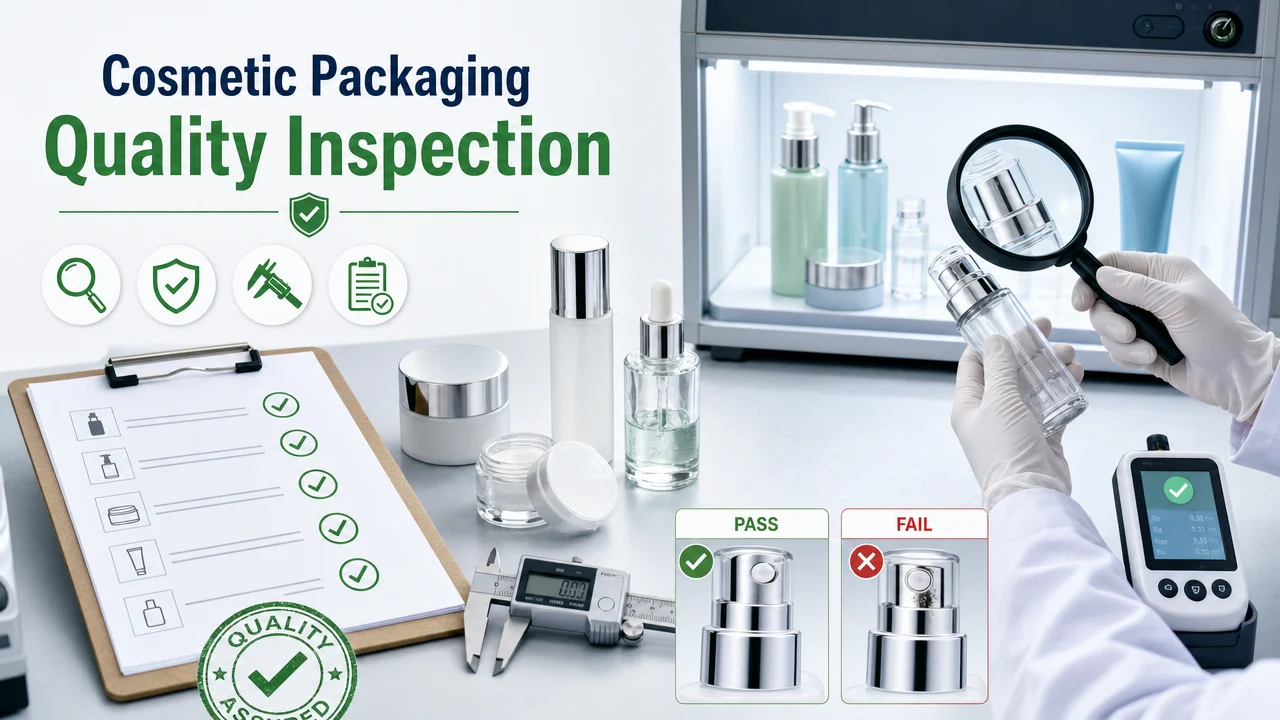
Cosmetic packaging quality plays a critical role in product safety, user experience, and brand reputation.
A cosmetic bottle may look perfect during the first sample review, but small issues can appear during filling, transportation, or daily consumer use.
Problems such as leakage, pump failure, color inconsistency, or material incompatibility may lead to product returns and damage brand trust.
Therefore, before mass production, brands should work with manufacturers to complete a comprehensive cosmetic packaging quality inspection.
What Is Cosmetic Packaging Quality Inspection?
Cosmetic packaging quality inspection is a systematic process used to evaluate packaging appearance, dimensions, material performance, functionality, and compatibility before mass production. It helps ensure bottles, pumps, and containers meet brand requirements and perform reliably throughout the product lifecycle.
A professional quality inspection process reduces manufacturing risks and improves product consistency.
Why Is Cosmetic Packaging Quality Control Important?
Cosmetic packaging has several important responsibilities:
- Protecting the formula
- Maintaining product stability
- Providing a smooth user experience
- Supporting brand image
A packaging defect may create problems such as:
- Product leakage during transportation
- Pump failure during use
- Poor customer experience
- Increased production waste
For premium skincare brands, packaging quality is part of the overall product value.
Cosmetic Packaging Quality Inspection Checklist
1. Appearance Inspection
Appearance inspection is the first step in cosmetic packaging quality control.
The purpose is to ensure that every bottle meets the expected visual standard before filling and assembly.
Surface Condition Check
Inspectors check the bottle surface for:
- Scratches
- Bubbles
- Black spots
- Deformation
- Uneven thickness
These defects can affect both appearance and packaging performance.
For premium cosmetic packaging, the surface should have a smooth and clean finish without visible imperfections.
Color Consistency Check
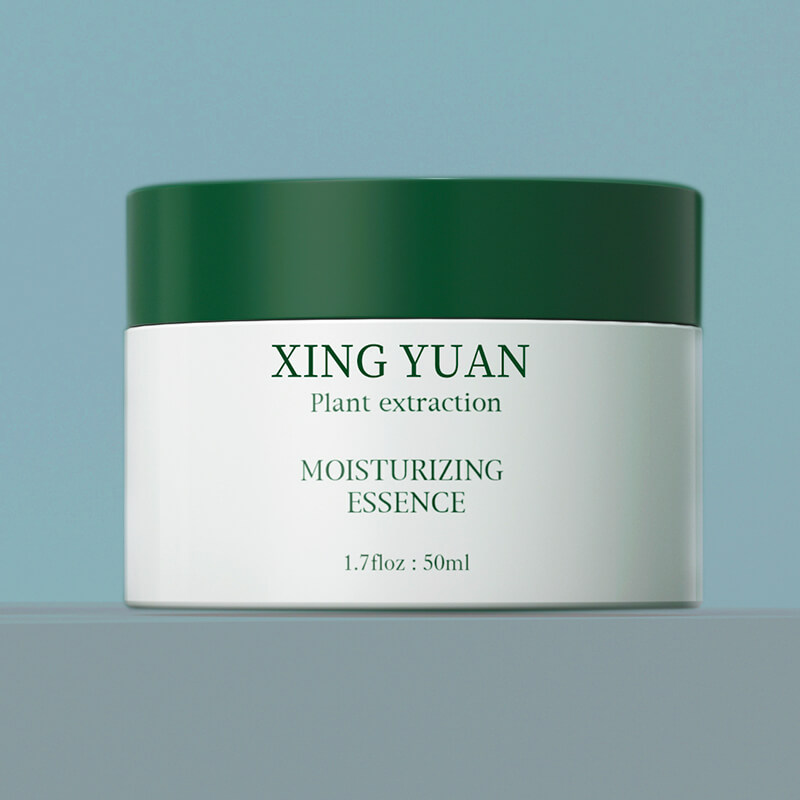
Color differences can happen between different production batches.
Inspectors compare samples with the approved color standard or Pantone reference to confirm:
- Bottle color
- Cap color
- Pump color
- Decorative coating
This helps prevent inconsistent packaging appearance after mass production.
Decoration Quality Check
Decoration processes include:
- Silk printing
- Hot stamping
- Spray coating
- UV printing
Inspection should verify:
Printing adhesion:
The logo and text should remain stable without peeling or fading during transportation and use.Position accuracy:
The printing location should match the approved artwork to maintain brand consistency.
2. Dimensional Inspection
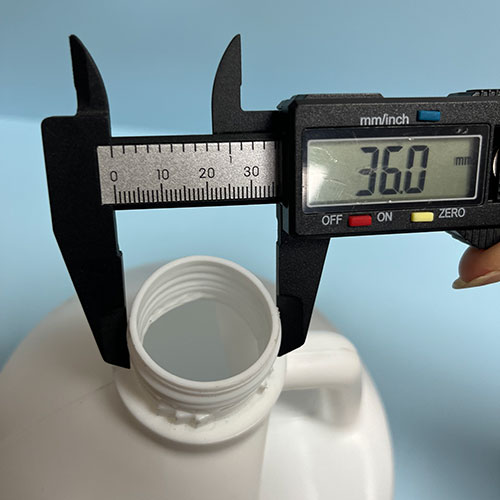
Packaging dimensions directly affect filling, assembly, and product compatibility.
Inspectors measure key specifications including:
- Bottle height
- Bottle diameter
- Neck size
- Capacity
- Component fitting
Bottle Size Check
The bottle dimensions are measured according to technical drawings.
Small size differences can create problems when matching:
- Pump heads
- Caps
- Inner components
Neck and Component Matching Check
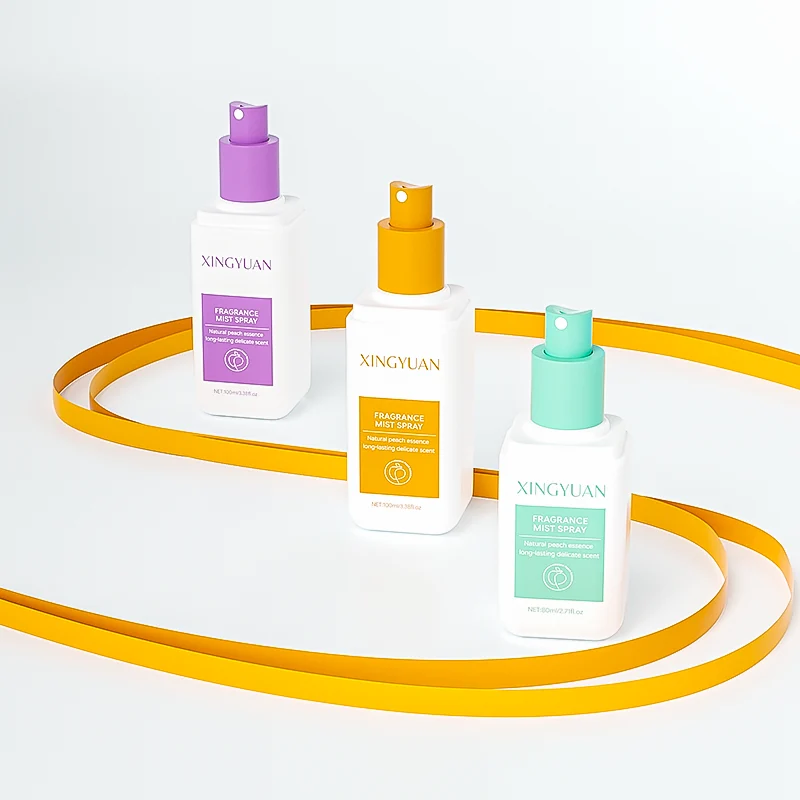
The bottle neck must fit perfectly with the pump or cap.
Inspectors test assembly performance to ensure:
- No looseness
- No leakage
- Smooth installation
Capacity Check
The actual filling capacity is tested to confirm that the bottle can hold the required amount of product.
This prevents problems such as:
- Underfilling
- Incorrect product quantity
- Customer complaints
3. Leakage Testing
Leakage testing is one of the most important packaging performance tests.
A package may appear normal but fail during transportation or storage.
Bottle Sealing Test
The bottle is filled and sealed under normal conditions.
Inspectors check whether:
- Liquid escapes from the bottle
- The closure system remains tight
- The cap or pump maintains sealing performance
This is especially important for liquid skincare products.
Transportation Simulation Test
Packages may experience vibration, pressure changes, and movement during shipping.
Testing simulates transportation conditions to confirm the packaging can handle:
- Long-distance shipping
- Warehouse storage
- Handling processes
4. Pump Performance Testing
For pump packaging, the dispensing system directly affects consumer experience.
A bottle with excellent appearance but poor pump performance can damage the brand image.
Pump Pressing Test
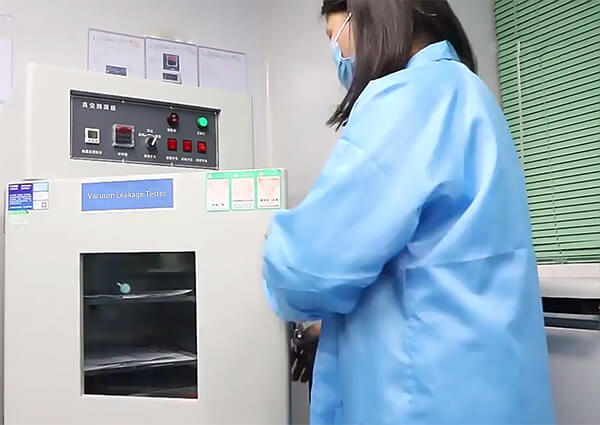
Inspectors repeatedly press the pump to evaluate:
- Smoothness
- Resistance
- Return speed
A good pump should feel comfortable and stable during every use.
Output Dosage Test
The amount of product dispensed per press is measured.
This ensures:
- Consistent dosage
- Better user control
- Reduced product waste
For active skincare products, accurate dosage is especially important.
Pump Life Cycle Test
The pump is tested through repeated pressing cycles.
This verifies whether the pump can maintain:
- Stable output
- No blockage
- No performance decline
during long-term use.
5. Compatibility Testing
Packaging compatibility testing ensures the container works safely with the formula.
Different cosmetic ingredients may react differently with packaging materials.
Formula Stability Test
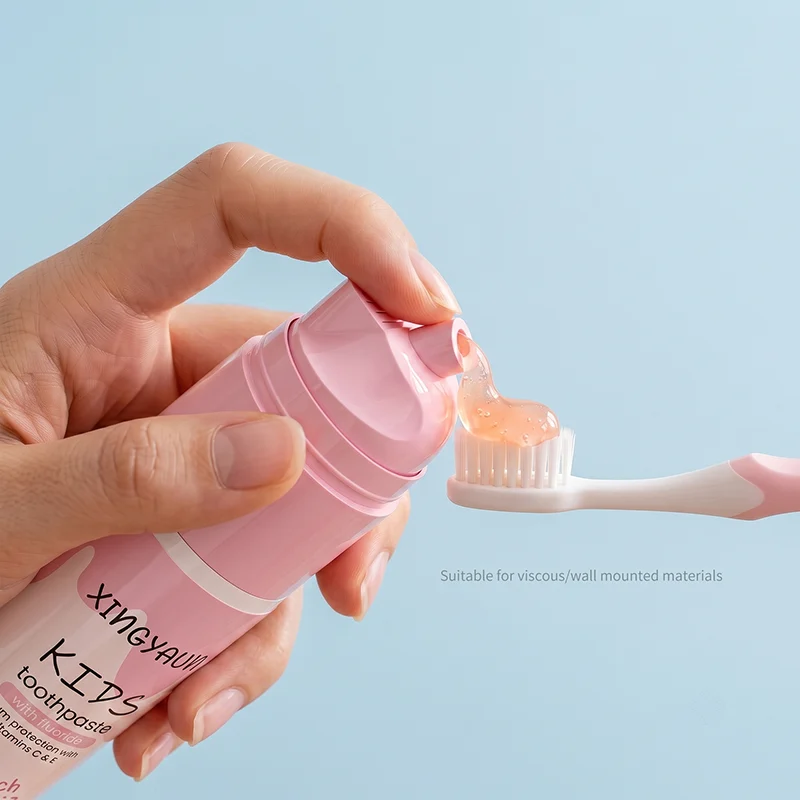
The packaging and product formula are stored together under controlled conditions.
Inspectors observe whether there are changes in:
- Color
- Smell
- Texture
- Formula appearance
Material Reaction Test
The packaging material is checked for possible reactions with the formula.
This is especially important for products containing:
- Vitamin C
- Retinol
- Essential oils
- Active ingredients
6. Material Quality Inspection
Different materials require different inspection standards.
PET Material Inspection
PET is commonly used in cosmetic packaging because it provides lightweight performance and good clarity.
Inspectors usually check:
Transparency
The bottle is inspected under controlled lighting to confirm clear and even appearance.
Any haze, cloudiness, or uneven transparency may indicate material or processing issues.
Strength
The bottle is tested for pressure resistance and deformation.
This helps ensure the packaging can withstand filling, transportation, and daily handling.
Appearance
Inspectors check the surface for:
- Scratches
- Uneven thickness
- Injection or molding marks
A high-quality PET bottle should maintain a clean and consistent appearance.
PETG Material Inspection
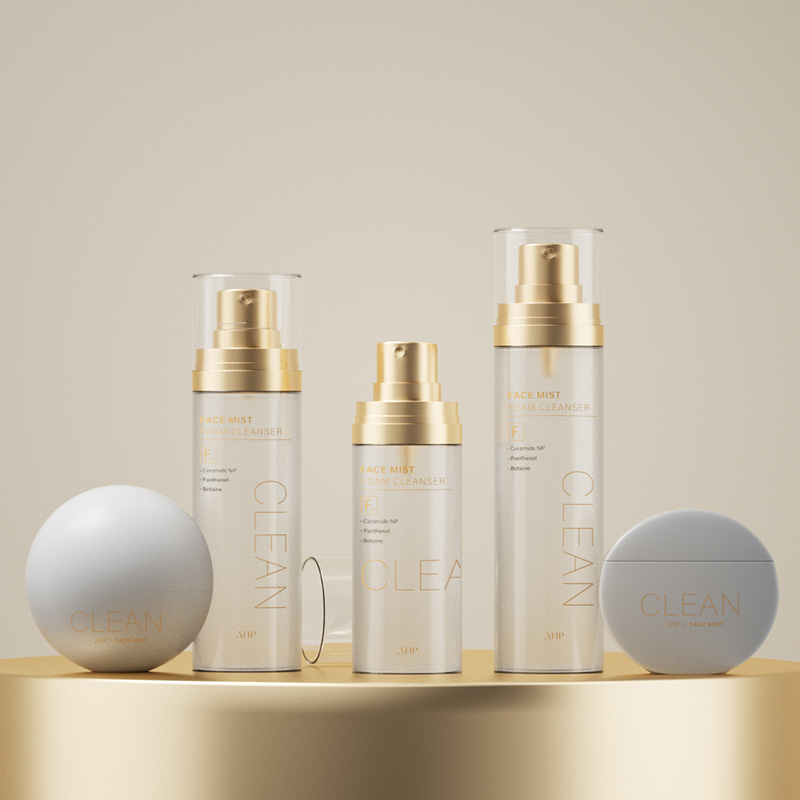
PETG is often selected for premium cosmetic packaging because of its glass-like appearance.
Inspection includes:
Clarity
The bottle should have high transparency without visible particles or defects.
This creates a premium visual effect similar to glass packaging.
Impact Resistance
PETG bottles are tested for durability.
The goal is to confirm they can resist cracking or damage during transportation.
Surface Finish
Inspectors evaluate the surface quality to ensure it works well with decoration processes.
This is important for:
- Spray coating
- Hot stamping
- Luxury finishes
PCR Material Inspection
PCR materials are increasingly used for sustainable cosmetic packaging.
Inspection focuses on:
Material Consistency
Recycled materials may vary slightly between batches.
Testing ensures stable appearance and performance.
Appearance Performance
Inspectors check whether the recycled material maintains acceptable:
- Color
- Texture
- Transparency
Sustainability Requirements
Brands may require documentation related to recycled content and environmental standards.
7. Final Packaging Inspection Before Shipment
Before products leave the factory, a final inspection confirms the finished goods meet requirements.
The inspection includes:
- Quantity verification
- Packaging condition
- Random sampling checks
- Product appearance review
This final step helps prevent defective products from reaching customers.
Common Cosmetic Packaging Problems and Solutions
Pump Does Not Work
Possible reasons:
- Formula viscosity mismatch
- Pump structure issue
- Incorrect assembly
Solution:
Test pump compatibility with the formula before mass production.
Color Difference Between Batches
Possible reasons:
- Material variation
- Decoration process differences
Solution:
Confirm color standards and production samples before manufacturing.
Leakage During Transportation
Possible reasons:
- Poor sealing
- Component mismatch
Solution:
Perform sealing and transportation simulation tests.
Why Choose Us for Cosmetic Packaging Quality Control?
With more than 20 years of experience in cosmetic packaging manufacturing, we understand that quality consistency determines brand success.
Our quality management process includes:
- Material inspection
- Production monitoring
- Appearance checking
- Function testing
- Compatibility support
We help skincare brands reduce packaging risks from initial design to mass production.
Conclusion
Cosmetic packaging quality inspection is a necessary step before launching any skincare or beauty product.
A reliable inspection process helps brands avoid leakage, defects, and customer complaints.
The right manufacturing partner does not only produce bottles — they ensure every packaging detail supports the final product experience.
Looking for a cosmetic packaging manufacturer with reliable quality control? Contact our team and share your packaging requirements. We will recommend the right solution for your brand.