Introduction
Choosing the right pump is an important decision when developing skincare and personal care packaging.
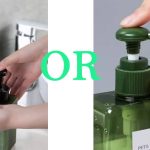
Although foam pumps and lotion pumps may look similar from the outside, they are designed for completely different product experiences. A foam pump creates ready-to-use foam by mixing liquid with air, while a lotion pump dispenses liquid products directly.
Selecting the wrong pump can affect product performance, customer experience, and even brand reputation.
In this guide, we will explain the differences between foam pumps and lotion pumps, how they work, and how brands can choose the right dispensing solution for their products.
What Is the Difference Between a Foam Pump and a Lotion Pump?
A foam pump creates ready-made foam by mixing liquid formula with air inside the pump mechanism, making it ideal for facial cleansers, hand washes, and other low-viscosity products. A lotion pump directly dispenses liquid products without adding air and is designed for thicker formulas such as body lotion, cream, and skincare emulsions. The right choice depends on product viscosity, application method, and consumer experience requirements.
How Does a Foam Pump Work?
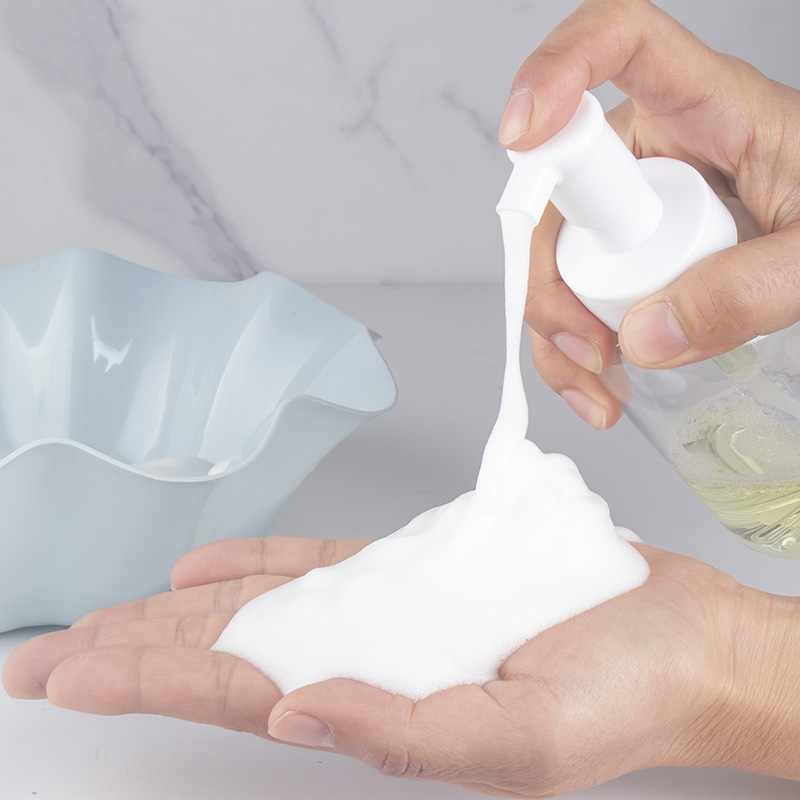
A foam pump is a dispensing system designed to transform liquid formulas into soft foam during application.
Unlike aerosol foam products, foam pumps do not require compressed gas. Instead, they use mechanical air mixing technology inside the pump structure.
Air Mixing Mechanism
Inside a foam pump, the liquid formula passes through a specially designed chamber where it combines with air.
The internal mesh or filter structure helps create small air bubbles, producing a smooth and consistent foam texture.
The foam quality depends on several factors:
- Pump design
- Mesh structure
- Formula viscosity
- Air-to-liquid ratio
A well-designed foam pump should produce stable foam from the first use until the product is finished.
Formula Requirements for Foam Pumps
Foam pumps work best with low-viscosity liquid formulas. Typical applications include:
- Facial cleanser
- Hand wash
- Baby wash
- Makeup remover
- Gentle cleansing products
Very thick formulas usually cannot pass efficiently through the foam pump mechanism.
Advantages of Foam Pumps
Ready-to-Use Foam Experience
Consumers receive foam directly without needing to create lather manually. This improves convenience and creates a gentle cleansing experience.
Reduced Product Usage
Because air is mixed into the formula, users often need less liquid product per application. This can improve product efficiency and extend product usage time.
Premium User Experience
The soft foam texture creates a more comfortable and luxurious feeling, especially for facial skincare products.
How Does a Lotion Pump Work?
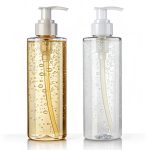
A lotion pump is designed to dispense liquid products directly through a controlled pumping mechanism. It is one of the most widely used dispensing systems in skincare and personal care packaging.
Dispensing Mechanism
When the pump head is pressed, the internal piston moves and pushes the product through the nozzle. The amount dispensed depends on:
- Pump chamber size
- Formula viscosity
- Pump design
Different pumps can provide different output volumes depending on product requirements.

Formula Requirements for Lotion Pumps
Lotion pumps are suitable for medium and high-viscosity products. Common applications include:
- Body lotion
- Hand cream
- Moisturizer
- Shampoo
- Conditioner
- Liquid soap
For very thick creams, brands may require specialized pumps with larger channels or stronger output performance.
Advantages of Lotion Pumps
Controlled Dispensing
Lotion pumps allow consumers to dispense a consistent amount of product each time. This reduces waste and improves usability.
Wide Formula Compatibility
Compared with foam pumps, lotion pumps support a wider range of product viscosities.
Cost Efficiency
Lotion pumps generally have simpler structures, making them more economical for large-scale production.
Foam Pump vs Lotion Pump Comparison
| Feature | Foam Pump | Lotion Pump |
| Dispensing Type | Ready-made foam | Liquid product |
| Working Principle | Mixes formula with air | Pushes formula directly |
| Best Formula | Low viscosity liquid | Medium/high viscosity liquid |
| Common Products | Facial cleanser, hand wash | Lotion, cream, shampoo |
| Consumer Experience | Soft foam texture | Controlled dosage |
| Product Usage | Lower amount per use | Direct application |
| Structure Complexity | Higher | Simpler |
| Production Cost | Higher | Lower |
How to Choose Between Foam Pump and Lotion Pump?
The correct pump depends on several product and market factors.
Consider Product Formula
The first factor is viscosity.
Low-viscosity formulas are usually suitable for foam pumps because they can flow easily through the air mixing system.
Thicker formulas generally require lotion pumps because they need stronger dispensing capability.
Before production, manufacturers should test the actual formula with the selected pump.
Consider Product Category
Different product categories usually have different packaging preferences.
Foam Pump Applications
Common products include:
- Facial foam cleanser
- Hand foam soap
- Baby cleanser
- Gentle skincare products
Lotion Pump Applications
Common products include:
- Body lotion
- Moisturizer
- Hand cream
- Hair conditioner
Choosing packaging based on category expectations helps consumers immediately understand how to use the product.

Consider Brand Positioning
Packaging also affects brand perception.
Foam pumps often create a feeling of:
- Gentle skincare
- Convenience
- Modern user experience
Lotion pumps communicate:
- Practical daily use
- Professional skincare
- Value-oriented products
Premium brands may also customize both pump designs with colors, finishes, and decorative components.
Common Problems With Cosmetic Pumps
Pump Does Not Produce Foam
One common issue with foam pumps is insufficient foam generation.
Possible causes include:
- Formula viscosity too high
- Incorrect pump selection
- Air channel blockage
- Formula compatibility problems
Testing the final formula before mass production can help prevent these issues.
Inconsistent Pump Output
Consumers expect consistent performance every time.
Manufacturers test:
- Output volume
- Pump pressure
- Return speed
- Dispensing stability
These tests ensure reliable performance throughout product usage.
Leakage Problems
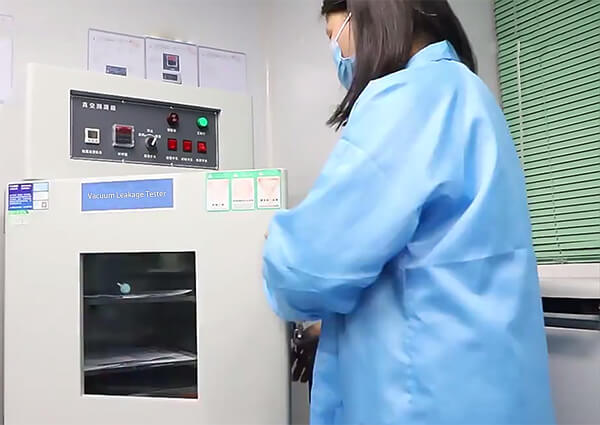
Pump leakage can occur during transportation if sealing performance is insufficient.
Professional manufacturers perform leakage tests to verify:
- Pump connection
- Bottle neck compatibility
- Closure performance
How Are Cosmetic Pumps Tested?
Quality testing is essential before large-scale production.
Output Volume Test
Manufacturers measure how much product is dispensed with each pump cycle.
This ensures the pump delivers the expected dosage.
Life Cycle Test
The pump is repeatedly pressed thousands of times to simulate consumer usage.
Testing evaluates whether:
- The spring remains functional
- The pump returns properly
- Dispensing remains consistent
Compatibility Test
The pump system is tested together with the actual formula.
Manufacturers check whether:
- Materials react with the formula
- Pump performance changes
- Product quality remains stable
Transportation Test
Packaging is tested under simulated shipping conditions.
This helps identify potential issues caused by:
- Vibration
- Pressure
- Temperature changes
Can a Foam Pump Replace a Lotion Pump?
A foam pump cannot directly replace a lotion pump in most applications.
The two systems are designed for different product characteristics.
A foam pump requires:
- Low-viscosity formula
- Air mixing capability
- Specific dispensing structure
A lotion pump requires:
- Direct liquid dispensing
- Higher viscosity compatibility
- Different internal mechanics
Brands should select the pump based on formula performance rather than appearance alone.
How to Choose a Reliable Cosmetic Pump Manufacturer?
A professional cosmetic packaging supplier should provide complete pump solutions, including:
- Foam pump development
- Lotion pump selection
- Formula compatibility testing
- Bottle matching
- Custom colors and decoration
- Quality inspection
- OEM & ODM services
An experienced manufacturer can help brands avoid packaging failures and optimize the final user experience.
Frequently Asked Questions
Which is better, foam pump or lotion pump?
Neither pump is universally better. Foam pumps are better for products designed to create foam, while lotion pumps are better for liquid skincare and personal care products.
Can lotion be used with a foam pump?
Generally, no. Most lotions are too thick for foam pumps and may not pass through the internal air mixing system properly.
Are foam pumps more expensive than lotion pumps?
Yes. Foam pumps usually have more complex internal structures, making them more expensive than standard lotion pumps.
What products use foam pumps?
Foam pumps are commonly used for:
- Facial cleansers
- Hand soaps
- Baby products
- Gentle cleansing products
What products use lotion pumps?
Lotion pumps are commonly used for:
- Body lotion
- Moisturizers
- Shampoo
- Conditioner
- Liquid soap
Why Work With Us?
With more than 20 years of experience in cosmetic packaging manufacturing, we provide professional dispensing solutions for skincare and personal care brands worldwide.
Our capabilities include:
- Foam pump bottles
- Lotion pump bottles
- PET and PETG packaging
- Custom pump development
- Bottle and pump matching
- OEM & ODM manufacturing
- Quality inspection
From product concept to mass production, we help brands select the right dispensing system to improve packaging performance and consumer experience.
Conclusion
Choosing between a foam pump and a lotion pump depends on the product formula, application method, and brand goals.
Foam pumps are ideal for low-viscosity products that require a soft foam experience, while lotion pumps provide reliable dispensing for thicker skincare and personal care products.
By selecting the correct pump system and working with an experienced cosmetic packaging manufacturer, brands can create packaging that improves usability, protects the formula, and strengthens customer satisfaction.
Looking for the right foam pump or lotion pump solution for your skincare product? Contact our team today to discuss your formula and packaging requirements.