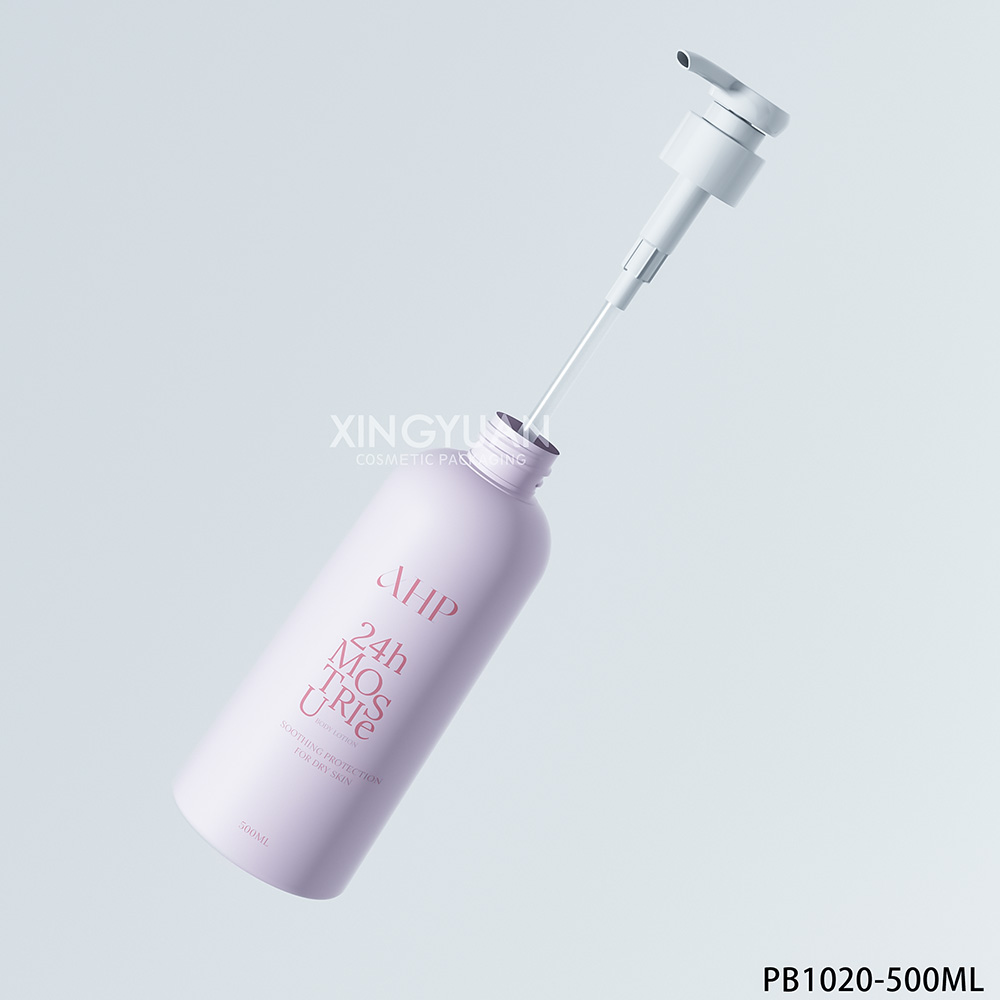
A shampoo dispenser that suddenly stops working can frustrate customers and damage a brand’s user experience. In hotels, salons, and households, dispenser failures often lead to product waste and complaints. This guide explains how to diagnose, repair, and prevent common shampoo dispenser problems effectively.
To fix a shampoo dispenser that does not work, first check for clogs, air blockage, or a locked pump head. Soaking the pump in warm water for 10 minutes often dissolves dried shampoo residue. If the dispenser still fails, inspect the spring, dip tube, and pump mechanism for damage. Regular cleaning and high-quality packaging components help prevent dispenser failure in hotels, salons, and refillable pouch systems.
Whether you are a cosmetic brand owner or a consumer, understanding dispenser failures can help reduce waste, improve user experience, and extend packaging lifespan.
Why Do Shampoo Dispensers Stop Working?
Most shampoo dispensers fail because of mechanical blockage or poor maintenance. However, packaging quality and formula compatibility also play important roles.
Here are the most common causes:
1. Clogged Pump Mechanism
Thick shampoo formulas can dry inside the pump head and block liquid flow. This is especially common in salon dispensers and refillable pouch systems.
Hard water minerals can also create buildup over time.
Resource: Pump clogging prevention guide

2. Air Lock Inside the Pump
Sometimes air becomes trapped inside the pump chamber. The dispenser may press down normally but no product comes out.
This issue often happens after:
- Refilling the bottle
- Shipping
- Long-term storage
3. Broken or Rusted Springs
The internal spring controls the pumping action. If it becomes corroded or misaligned, the dispenser may stop returning upward.
This is a common issue in low-cost packaging systems.
4. Damaged Dip Tube
The dip tube carries shampoo from the bottle to the pump head. If the tube bends, cracks, or disconnects, the dispenser cannot pull product properly.

5. Poor Packaging Quality
Many dispenser failures are linked to low manufacturing standards.
For cosmetic brands, selecting reliable packaging suppliers is critical for:
- Customer satisfaction
- Reduced returns
- Long-term durability
- Hospitality performance
How to Fix a Shampoo Pump That Won’t Pump
If your shampoo pump is not working, follow these troubleshooting steps.
Step 1: Unlock the Pump Head
Many people search for:
- “How to unlock shampoo bottle pump”
- “How to open a pump bottle that won’t open”
Most pumps arrive in a locked position to prevent leakage during shipping.
Try this:
- Hold the bottle firmly.
- Twist the pump head counterclockwise.
- Pull upward gently.
If the head still does not pop up, try pressing down while twisting.
Step 2: Soak the Pump in Warm Water
Remove the pump and place it in warm water for 10 minutes.
This helps dissolve:
- Dried shampoo
- Conditioner residue
- Thick formula buildup
While submerged, pump the head repeatedly to flush water through the mechanism.
This method fixes many “brand new lotion pump not working” situations.
Step 3: Prime the Pump
Sometimes the pump simply needs priming.
To do this:
- Fill the bottle with warm water.
- Reattach the pump.
- Press the pump 15–20 times.
This removes trapped air and restores suction.
Step 4: Clean the Dip Tube
Inspect the dip tube for:
- Blockage
- Cracks
- Curling
- Product buildup
Flush the tube with warm water or vinegar solution.
Resource: Cosmetic packaging maintenance tips
Step 5: Check the Internal Spring
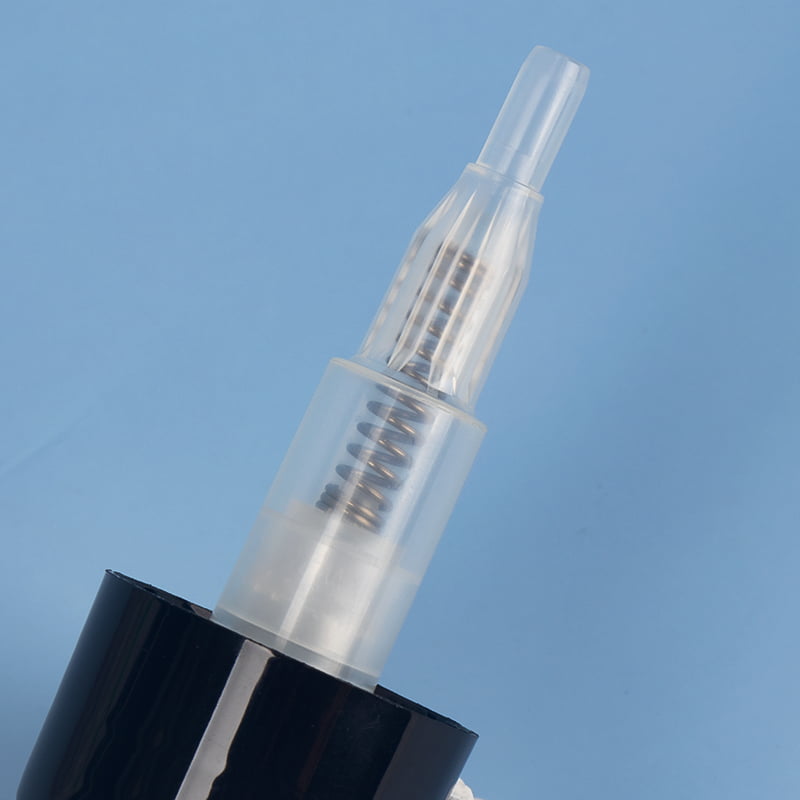
If the pump still fails, inspect the spring inside the dispenser head.
Signs of spring failure:
- Pump stays down
- Weak pressure
- Grinding noise
- Irregular dispensing
You may be able to reposition the spring carefully using tweezers.
However, severe corrosion usually requires replacement.
How to Fix a Clogged Shampoo Dispenser
Clogging is one of the most common dispenser problems in hotels and salons.
High-viscosity shampoos and conditioners can dry inside narrow channels.
Quick Cleaning Method
You will need:
- Warm water
- White vinegar
- Toothpick or needle
- Small bowl
Instructions:
- Remove the dispenser pump.
- Soak it in warm water mixed with vinegar.
- Use a needle to clear the nozzle carefully.
- Pump warm water through the mechanism.
- Reassemble and test.
This process usually restores normal flow.
How to Fix a Pump Bottle Spring
Many users search online for:
- “How to fix soap dispenser spring”
- “How to fix pump bottle spring”
The spring is the mechanical core of the dispenser.
Common Spring Problems
Rust and Corrosion
Cheap metal springs can corrode after repeated exposure to moisture.
High-end cosmetic packaging often uses:
- Stainless steel springs
- External spring systems
- Corrosion-resistant materials
Misalignment
Sometimes the spring shifts during shipping or heavy use.
You can try:
- Opening the pump cap carefully
- Re-centering the spring
- Reassembling the components
If the spring is damaged, replacing the entire pump is usually more efficient.
Common Problems in Hotel and Salon Shampoo Dispensers
Hotel shampoo dispensers experience far more stress than household packaging.
They are used repeatedly every day and often refilled incorrectly.
1. Overuse and Pump Fatigue
Frequent pumping weakens internal components over time.
This can lead to:
- Leakage
- Weak output
- Broken locking systems
2. Refill Contamination
Improper refilling can introduce:
- Dust
- Water contamination
- Mixed product residue
This increases clogging risk significantly.
Hotels should implement scheduled cleaning procedures.
3. Thick Salon Formulas
Salon shampoos and conditioners are often more concentrated.
These thicker formulas require:
- Stronger springs
- Larger dispensing channels
- High-quality pump engineering
Low-cost dispensers may fail quickly under these conditions.
4. Refillable Pouch System Issues
Refillable pouch dispensers are increasingly popular because they reduce plastic waste.
However, poor pouch compatibility can create:
- Air leakage
- Uneven flow
- Dispensing inconsistency
Brands should test refill systems carefully before mass production.
Resource: Refill pouch compatibility testing
How Cosmetic Brands Can Prevent Dispenser Failure
For cosmetic brands, dispenser quality directly affects customer perception.
A broken pump can make even premium shampoo feel low quality.
Focus on Packaging Quality Control
Brands should evaluate:
- Spring durability
- Pump cycle lifespan
- Leakage resistance
- Formula compatibility
- Temperature stability
Professional QC testing reduces long-term complaints.
Match the Formula to the Pump
Not all dispensers work with all shampoo formulas.
High-viscosity products require:
- Larger output pumps
- Stronger suction systems
- Optimized dip tube design
Ignoring compatibility can increase failure rates dramatically.
Choose Reliable Packaging Suppliers
Working with experienced suppliers helps brands avoid packaging defects.
Many cosmetic companies now partner with manufacturers like Xingyuan Plastic for:
- Hotel dispenser systems
- Salon packaging solutions
- Refillable pouch-compatible pumps
- OEM/ODM cosmetic packaging
Reliable suppliers can also provide:
- Durability testing
- Engineering support
- Sustainable packaging options
Resource: OEM cosmetic packaging solutions
Choosing the Right Shampoo Dispenser Supplier
Selecting the right supplier is essential for B2B buyers.
Low-quality dispensers may appear inexpensive initially but often increase operational costs later.
Key Factors to Evaluate
Material Durability
Check whether the supplier uses:
- PP plastic
- PET components
- Stainless steel springs
Pump Lifespan Testing
Professional suppliers test pumps for thousands of dispensing cycles.
This is especially important for:
- Hotels
- Gyms
- Salons
- High-volume hospitality environments
Leak-Proof Performance
Leakage damages customer trust and wastes product.
Ask suppliers about:
- Pressure testing
- Transportation simulation
- Seal integrity reports
Engineering Support
Strong packaging suppliers help optimize:
- Pump output
- Bottle compatibility
- Formula viscosity performance
This reduces packaging failures after launch.
Preventive Maintenance Tips for Consumers and Businesses
Regular maintenance can dramatically extend dispenser lifespan.
Recommended Practices
Clean Monthly
Flush the dispenser with warm water every month to prevent buildup.
Avoid Mixing Products
Mixing different shampoo formulas can create clogging reactions.
Store Properly
Avoid direct sunlight and extreme heat, which may deform plastic components.
Replace Worn Pumps Early
If pumping becomes inconsistent, replacing the pump early may prevent leakage or contamination.
FAQ
Why is my shampoo pump not popping up?
The pump is usually locked for shipping. Twist the head counterclockwise while holding the collar firmly.
Can you repair a broken dispenser spring?
Minor spring misalignment can sometimes be fixed, but rusted or damaged springs usually require replacement.
Why do refillable pouch dispensers clog?
Thick formulas, trapped air, and poor pouch compatibility are common causes.
How long should a shampoo dispenser last?
High-quality dispensers can last several years with proper cleaning and maintenance.
Are hotel wall-mounted dispensers hygienic?
Yes, when cleaned and maintained regularly. Proper refill procedures are essential.
What is the best material for shampoo dispenser pumps?
High-quality PP plastic with stainless steel springs offers strong durability and corrosion resistance.
Conclusion
A malfunctioning shampoo dispenser is usually easy to fix with proper cleaning and maintenance. For cosmetic brands, investing in reliable packaging suppliers and durable dispenser systems can significantly improve customer satisfaction, reduce product waste, and lower long-term operational costs.