Introduction
Choosing the right material is one of the most important decisions when developing cosmetic packaging. The packaging material affects not only the appearance of a product but also its durability, formula compatibility, production cost, sustainability, and brand positioning. From lightweight PET bottles to premium acrylic containers and glass packaging, different materials provide different advantages. For skincare brands, understanding the characteristics of each cosmetic packaging material helps create packaging solutions that balance performance, aesthetics, and market expectations.
In this guide, we will explain the most common cosmetic packaging materials and how brands can select the right option for their products.
What Are the Most Common Cosmetic Packaging Materials?
The most common cosmetic packaging materials include PET, PETG, PP, acrylic, glass, and PCR materials. PET is widely used for lightweight and cost-effective packaging, PETG provides a premium transparent appearance, acrylic is popular for luxury skincare products, glass offers a high-end feel, and PP is commonly used for functional components such as caps and pumps. The best material depends on product requirements, brand positioning, and production goals.
Why Does Cosmetic Packaging Material Matter?
The packaging material directly affects the overall product experience.
A suitable material can provide:
- Better formula protection
- Improved durability
- Premium appearance
- Efficient production
- Stronger brand positioning
Choosing the wrong material may lead to problems such as:
- Formula compatibility issues
- Packaging damage
- Higher production costs
- Poor customer experience
PET Cosmetic Packaging
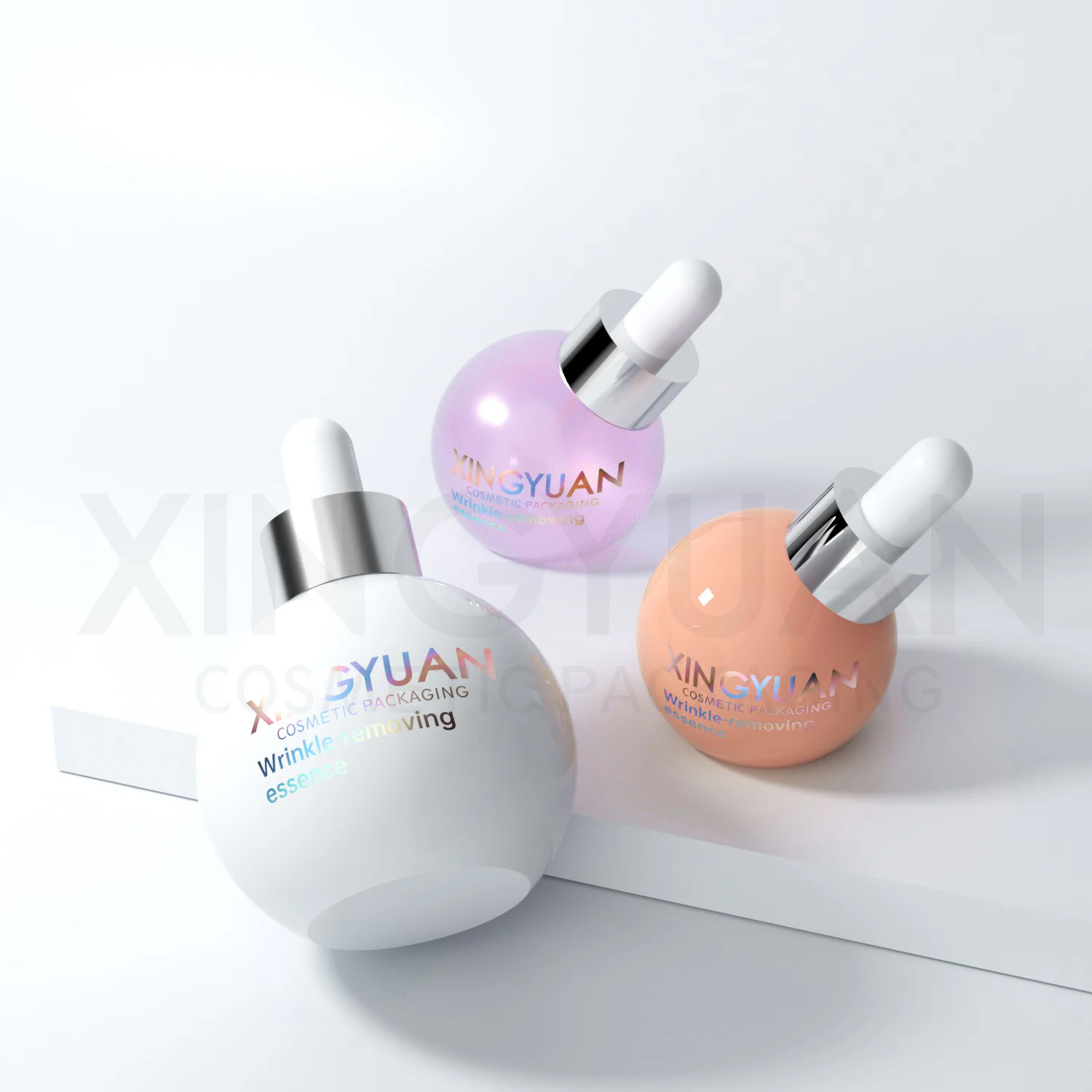
PET (Polyethylene Terephthalate) is one of the most commonly used materials in cosmetic packaging. It is widely selected for skincare, personal care, and beauty products because of its balance between performance and cost.
Advantages of PET Packaging
Lightweight and Durable
PET bottles are lightweight compared with glass packaging.
This makes them easier to:
- Transport
- Store
- Handle during daily use
Cost Efficient
PET is suitable for large-scale production.
It helps brands achieve:
- Lower packaging costs
- Stable supply
- Efficient manufacturing
Good Transparency
Clear PET provides a clean and modern appearance. It allows consumers to see the product level inside the container.
Common Applications of PET Packaging
PET is commonly used for:
- Toner bottles
- Facial mist bottles
- Lotion bottles
- Cleanser packaging
- Body care products
PETG Cosmetic Packaging
PETG is a modified PET material known for its excellent transparency and premium appearance. It is often used by skincare brands looking for a more luxurious packaging style.
Advantages of PETG Packaging
Glass-Like Appearance
PETG provides a crystal-clear appearance similar to glass.
This makes it suitable for:
- Premium skincare
- Luxury serums
- High-end cosmetic collections
Excellent Decoration Compatibility
PETG works well with decoration methods including:
- Hot stamping
- UV printing
- Spray coating
- Frosted finishing
This gives brands more customization possibilities.
Better Impact Resistance Than Glass
Compared with glass, PETG is lighter and less likely to break.
This provides advantages in:
- Transportation
- E-commerce shipping
- Daily consumer use

Common Applications of PETG Packaging
PETG is often used for:
- Serum bottles
- Premium cream containers
- Luxury skincare packaging
PP Cosmetic Packaging
PP (Polypropylene) is a durable plastic material commonly used for cosmetic components.
It is frequently used for:
- Caps
- Closures
- Pump parts
- Jars
Advantages of PP Packaging
Excellent Chemical Resistance
PP performs well with many cosmetic formulas.
It is commonly selected for products requiring reliable material stability.
High Durability
PP components provide:
- Good impact resistance
- Long-term reliability
- Functional performance

Common Applications of PP
PP is widely used in:
- Pump components
- Flip-top caps
- Cosmetic jars
- Inner containers
Acrylic Cosmetic Packaging
Acrylic is often associated with premium cosmetic packaging.
It creates a thick-wall, luxury appearance that is popular in high-end skincare.
Advantages of Acrylic Packaging
Premium Appearance
Acrylic containers provide:
- Crystal-like appearance
- Heavy tactile feeling
- Luxury shelf presence
Supports High-End Design
Acrylic works well with:
- Special colors
- Metallic decoration
- Customized structures
Common Applications of Acrylic Packaging
Acrylic is commonly used for:
- Luxury face creams
- Premium skincare jars
- High-end cosmetic collections
Glass Cosmetic Packaging
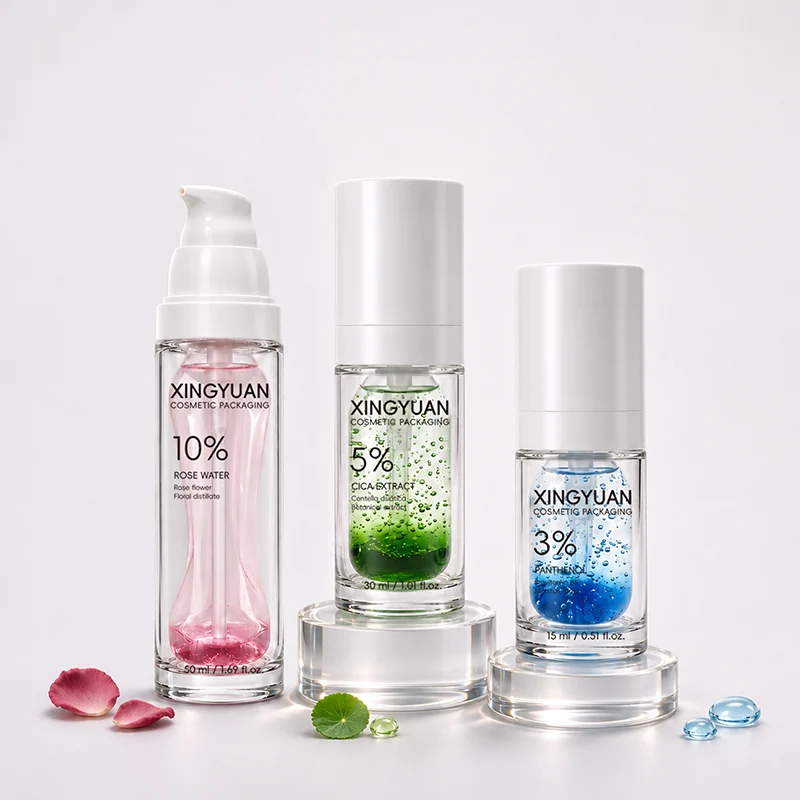
Glass has been used in cosmetic packaging for many years because of its premium appearance and excellent barrier properties.
Advantages of Glass Packaging
Luxury Brand Image
Glass creates a strong premium perception.
It is commonly used for:
- Luxury skincare
- Essential oils
- High-end serums
Excellent Chemical Stability
Glass is resistant to many cosmetic ingredients.
It helps maintain product integrity.
Limitations of Glass Packaging
Compared with plastic materials, glass has some disadvantages:
- Higher weight
- Higher transportation cost
- Breakage risk
Brands should consider these factors when selecting glass packaging.
PCR Cosmetic Packaging
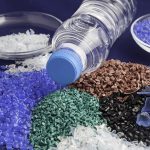
PCR (Post-Consumer Recycled) materials are increasingly used as brands focus more on sustainability. PCR materials are made from recycled consumer plastic waste.
Advantages of PCR Packaging
Supports Sustainability Goals
PCR helps brands reduce reliance on virgin plastic materials.
Meets Consumer Expectations
Many consumers now value environmentally responsible packaging choices.
Considerations When Using PCR
Brands should evaluate:
- Material appearance
- Color limitations
- Supply availability
Cosmetic Packaging Material Comparison
| Material | Appearance | Durability | Cost | Common Applications |
| PET | Clean and lightweight | Good | Low-medium | Toner, lotion, cleanser |
| PETG | Premium transparent | Excellent | Medium-high | Serum, luxury skincare |
| PP | Functional | Excellent | Low | Caps, pumps, jars |
| Acrylic | Luxury appearance | Good | High | Premium creams |
| Glass | High-end | Medium | High | Luxury skincare |
| PCR | Sustainable | Good | Medium | Eco-focused brands |
How to Choose the Right Cosmetic Packaging Material?
Consider Product Formula
Different formulas require different material compatibility.
Brands should evaluate:
- Ingredients
- Formula stability
- Storage conditions
Compatibility testing is recommended before mass production.
Consider Brand Positioning
Material selection should match market positioning.
Affordable Skincare Brands
Common choices:
- PET
- PP
Advantages:
- Cost efficiency
- Manufacturing flexibility
Premium Skincare Brands
Common choices:
- PETG
- Acrylic
- Glass
Advantages:
- Better visual appeal
- Higher perceived value
Consider Production Requirements
Brands should evaluate:
- MOQ requirements
- Decoration options
- Production capacity
- Supply stability
How Are Cosmetic Packaging Materials Tested?
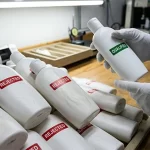
Professional manufacturers perform material testing before production.
Compatibility Testing
Checks whether packaging interacts with the formula.
Strength Testing
Evaluates:
- Impact resistance
- Structural durability
Appearance Testing
Checks:
- Transparency
- Color consistency
- Surface quality
Aging Testing
Simulates long-term storage conditions.
It helps evaluate:
- Material stability
- Formula protection
Common Mistakes When Choosing Cosmetic Packaging Materials
Selecting Material Only Based on Appearance
A beautiful material may not always provide the required performance.
Functionality should be considered together with design.
Ignoring Formula Compatibility
Different formulas may react differently with packaging materials.
Testing before production helps prevent problems.
Choosing Premium Materials Without Considering Cost
Luxury materials can increase packaging costs.
Brands should balance:
- Appearance
- Performance
- Budget
How to Choose a Cosmetic Packaging Manufacturer?
A reliable manufacturer should provide:
- Material recommendations
- Packaging design support
- Compatibility testing
- Custom development
- Decoration services
- Quality control
Experienced suppliers can help brands select materials that match both product requirements and market goals.
Frequently Asked Questions
What is the best material for cosmetic bottles?
There is no single best material. PET is suitable for cost-effective packaging, PETG is ideal for premium transparent designs, and glass or acrylic are commonly used for luxury products.
Is PETG better than PET for skincare packaging?
PETG provides a more premium appearance and better decoration performance, while PET offers better cost efficiency for large-scale production.
Which cosmetic packaging material is most sustainable?
PCR materials are increasingly used for sustainable packaging solutions. Brands can also consider lightweight designs and recyclable materials.
Can cosmetic packaging materials affect product quality?
Yes. Packaging materials can influence formula stability, shelf life, and user experience, so compatibility testing is important.
Why Work With Us?
With more than 20 years of experience in cosmetic packaging manufacturing, we provide complete packaging solutions using various materials including:
- PET
- PETG
- PP
- Acrylic
- PCR materials
Our capabilities include:
- Custom bottle development
- Material selection support
- Decoration services
- Pump systems
- Quality testing
- OEM and ODM manufacturing
We help skincare and beauty brands choose the right packaging materials to achieve the ideal balance between appearance, performance, and production efficiency.
Conclusion
Choosing the right cosmetic packaging material is essential for creating successful skincare products. PET, PETG, PP, acrylic, glass, and PCR materials each provide different advantages depending on product requirements, brand positioning, and production goals. By working with an experienced cosmetic packaging manufacturer, brands can select materials that protect formulas, improve consumer experience, and strengthen market positioning.
Looking for the right material solution for your cosmetic packaging project? Contact our team today to discuss your product requirements.