Introduction
For skincare and cosmetic brands, packaging quality directly affects product safety, consumer experience, and brand reputation. A beautiful bottle design is only the first step. Before mass production, cosmetic packaging manufacturers must conduct strict quality control tests to ensure bottles, pumps, closures, and decorative finishes meet production requirements. From material inspection and dimensional checks to leakage testing and compatibility evaluation, every stage plays an important role in delivering reliable packaging.
In this guide, we will explain the key cosmetic packaging quality control processes brands should understand before starting large-scale production.
What Is Cosmetic Packaging Quality Control?
Cosmetic packaging quality control is the process of inspecting and testing cosmetic containers, components, and decoration finishes to ensure they meet required standards before mass production. Quality control includes material inspection, dimensional testing, appearance inspection, compatibility testing, leakage testing, and performance evaluation to ensure packaging reliability and product safety.
Why Is Quality Control Important for Cosmetic Packaging?
Packaging problems can create serious issues after products reach the market.
Poor-quality packaging may result in:
- Product leakage
- Pump failure
- Damaged appearance
- Formula contamination
- Customer complaints
A professional quality control system helps brands reduce production risks and maintain consistent product quality.
Protects Product Safety
Cosmetic packaging directly contacts skincare formulas.
Quality inspections help confirm that:
- Materials are suitable
- Components function correctly
- Packaging does not affect formula stability
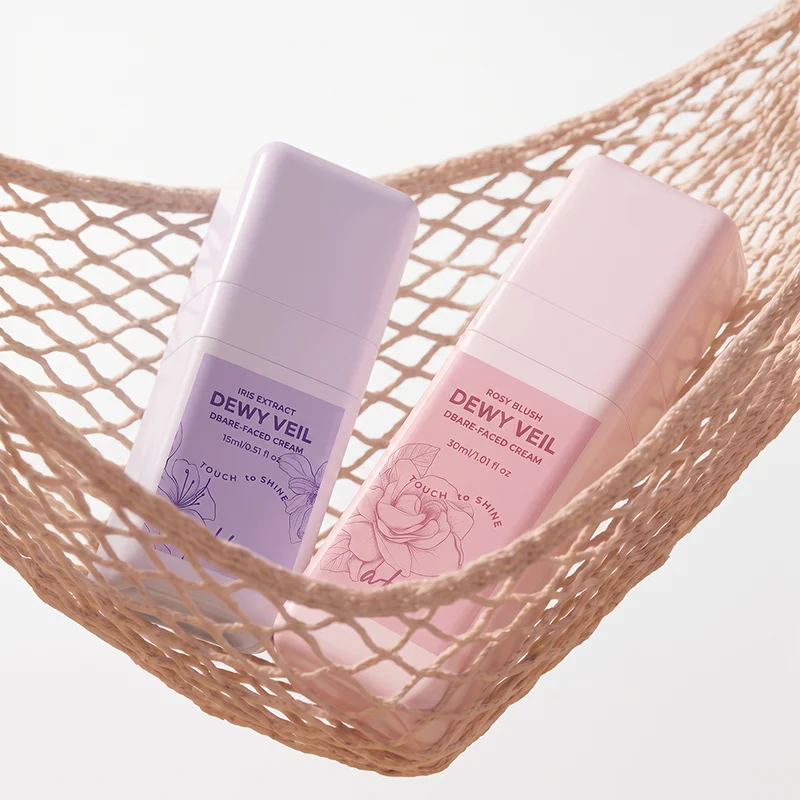
Improves Consumer Experience
Consumers expect packaging to work smoothly from the first use.
Quality control ensures:
- Pumps dispense correctly
- Caps close securely
- Bottles feel comfortable to use
Protects Brand Reputation
Packaging defects can damage customer trust.
Consistent quality helps brands build stronger market credibility.
What Are the Main Cosmetic Packaging Quality Control Processes?
A professional manufacturer usually performs multiple inspections throughout the production process.
Incoming Material Inspection
Quality control starts with checking raw materials before production.
Manufacturers inspect:
- Plastic resin quality
- Color consistency
- Component materials
- Supplier documentation
This helps ensure production begins with reliable materials.
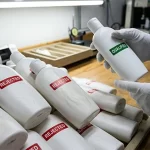
Bottle Appearance Inspection
Appearance inspection evaluates the visual quality of finished packaging.
Inspectors check:
- Surface defects
- Scratches
- Color differences
- Deformation
- Contamination
This is especially important for premium cosmetic packaging where appearance affects brand perception.

Surface Quality Check
The bottle surface should be smooth and consistent.
Common defects include:
- Flow marks
- Bubbles
- Black spots
- Uneven texture
These issues may affect printing and decoration performance.
Color Consistency Check
Color accuracy is important for maintaining brand identity.
Manufacturers compare production batches to confirm:
- Bottle color consistency
- Decoration color accuracy
- Coating uniformity
Dimensional Inspection
Dimensional testing confirms whether packaging components match design specifications.
Measurements may include:
- Bottle height
- Diameter
- Neck size
- Thread dimensions
- Pump fitting size
Accurate dimensions are essential because packaging components must work together correctly.
Compatibility Testing
Compatibility testing evaluates the relationship between the packaging and the cosmetic formula.
This is one of the most important tests before mass production.
Formula Compatibility Test
Manufacturers fill the packaging with the actual product formula and observe changes over time.
Testing evaluates:
- Formula appearance
- Color changes
- Odor changes
- Material reaction
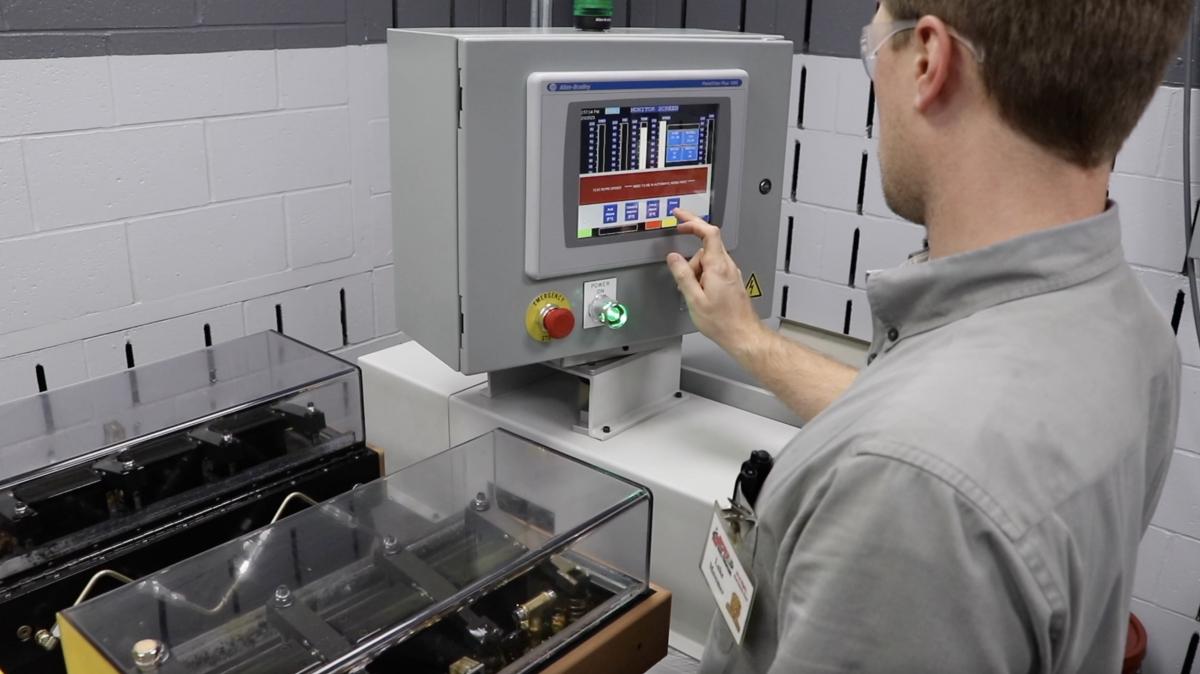
Component Compatibility Test
Different components are tested together.
Examples:
- Bottle and pump
- Cap and container
- Inner liner and formula
This helps prevent issues during product usage.
Leakage Testing
Leakage testing ensures packaging remains secure during storage and transportation.
Manufacturers evaluate:
- Bottle sealing
- Pump connection
- Cap tightness
- Closure performance
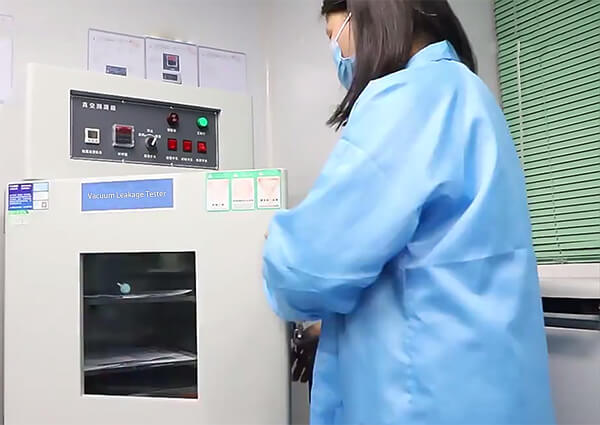
Vacuum Leakage Test
Some packaging systems, such as airless bottles, require vacuum performance testing.
The test verifies:
- Pump function
- Sealing ability
- Product protection
Pressure Test
Packaging may be tested under pressure conditions to simulate transportation environments.
This helps identify potential leakage risks before shipment.
Pump Performance Testing
For pump-based packaging, dispensing performance is critical.
Manufacturers evaluate:
- Output volume
- Pump smoothness
- Return speed
- Continuous operation
Output Accuracy Test
Each pump cycle should provide consistent product dosage.
This is especially important for:
- Serums
- Eye creams
- Treatment products
Life Cycle Test
Pump systems are repeatedly pressed to simulate consumer usage.
The test confirms whether the pump maintains performance throughout the product lifespan.
Decoration Quality Inspection
Cosmetic packaging often requires decorative finishes.
Quality control ensures decoration remains attractive and durable.
Printing Adhesion Test
This test evaluates whether printed designs remain attached to the bottle surface.
It helps prevent:
- Ink peeling
- Logo damage
- Surface defects
Scratch Resistance Test
Decorated surfaces are tested for durability during:
- Transportation
- Storage
- Daily handling
Alcohol Resistance Test
Because cosmetic products may contain alcohol-based ingredients, decoration durability should be tested against potential exposure.
Drop and Transportation Testing
Cosmetic packaging often travels through global supply chains.
Transportation testing simulates real shipping conditions.
Manufacturers evaluate:
- Impact resistance
- Compression strength
- Packaging protection
These tests help prevent damage during delivery.
Quality Control Process Before Mass Production
A professional cosmetic packaging project usually follows these steps:
Step 1: Prototype Evaluation
Brands review:
- Bottle appearance
- Function
- Material selection
Step 2: Sample Testing
Samples are tested for:
- Compatibility
- Performance
- Appearance
Step 3: Production Approval
After testing approval, manufacturers begin mass production.
Step 4: Final Inspection
Before shipment, finished products are inspected again to ensure consistency.
Common Cosmetic Packaging Quality Problems
Pump Not Working Properly
Possible causes:
- Incorrect pump selection
- Formula compatibility issues
- Component defects
Solution:
Perform pump testing with the actual formula before production.
Bottle Leakage
Possible causes:
- Poor sealing
- Incorrect component matching
- Transportation damage
Solution:
Conduct leakage testing and improve packaging structure.
Decoration Peeling
Possible causes:
- Poor surface treatment
- Incorrect printing process
Solution: Perform adhesion testing before production approval.

How to Choose a Cosmetic Packaging Manufacturer With Good Quality Control?
A reliable supplier should provide:
- Quality inspection procedures
- Testing equipment
- Production standards
- Sample approval process
- Defect control system
Brands should ask manufacturers about:
- How they inspect incoming materials
- What tests are performed before shipment
- How production consistency is maintained
Frequently Asked Questions
What tests are performed on cosmetic packaging?
Common tests include appearance inspection, dimensional testing, leakage testing, compatibility testing, pump performance testing, and decoration quality testing.
Why is cosmetic packaging compatibility testing important?
Compatibility testing confirms that the packaging materials do not negatively interact with the cosmetic formula during storage and use.
How can brands reduce cosmetic packaging quality problems?
Brands can reduce risks by selecting experienced manufacturers, testing samples before production, and maintaining clear quality requirements.
Why Work With Us?
With more than 20 years of experience in cosmetic packaging manufacturing, we provide complete quality-controlled packaging solutions for skincare and beauty brands worldwide.
Our quality capabilities include:
- Material inspection
- Packaging testing
- Pump performance testing
- Compatibility evaluation
- Decoration inspection
- Final production inspection
From prototype development to mass production, we help brands create packaging solutions with consistent quality and reliable performance.
Conclusion
Cosmetic packaging quality control is essential for ensuring product safety, packaging performance, and brand reputation.
From material inspection and compatibility testing to pump evaluation and decoration checks, every step helps prevent production problems before products reach consumers.
By partnering with an experienced cosmetic packaging manufacturer with strong quality control systems, brands can develop packaging that delivers both reliability and excellent customer experience.
Looking for a cosmetic packaging manufacturer with professional quality control capabilities? Contact our team today to discuss your packaging requirements.