Introduction
Sunscreen has become an essential part of daily skincare, with consumers using it throughout the year to protect their skin from harmful UV rays. As the market for sunscreens continues to grow, brands are paying more attention to packaging that not only looks attractive but also protects the formula and delivers a convenient user experience.
Unlike many skincare products, sunscreen is often carried in bags, used outdoors, and exposed to heat, sunlight, and frequent handling. These conditions place higher demands on packaging quality, durability, and dispensing performance.
Choosing the right sunscreen packaging helps maintain product quality, improve customer satisfaction, and strengthen your brand image.
What Is the Best Packaging for Sunscreen?
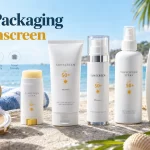
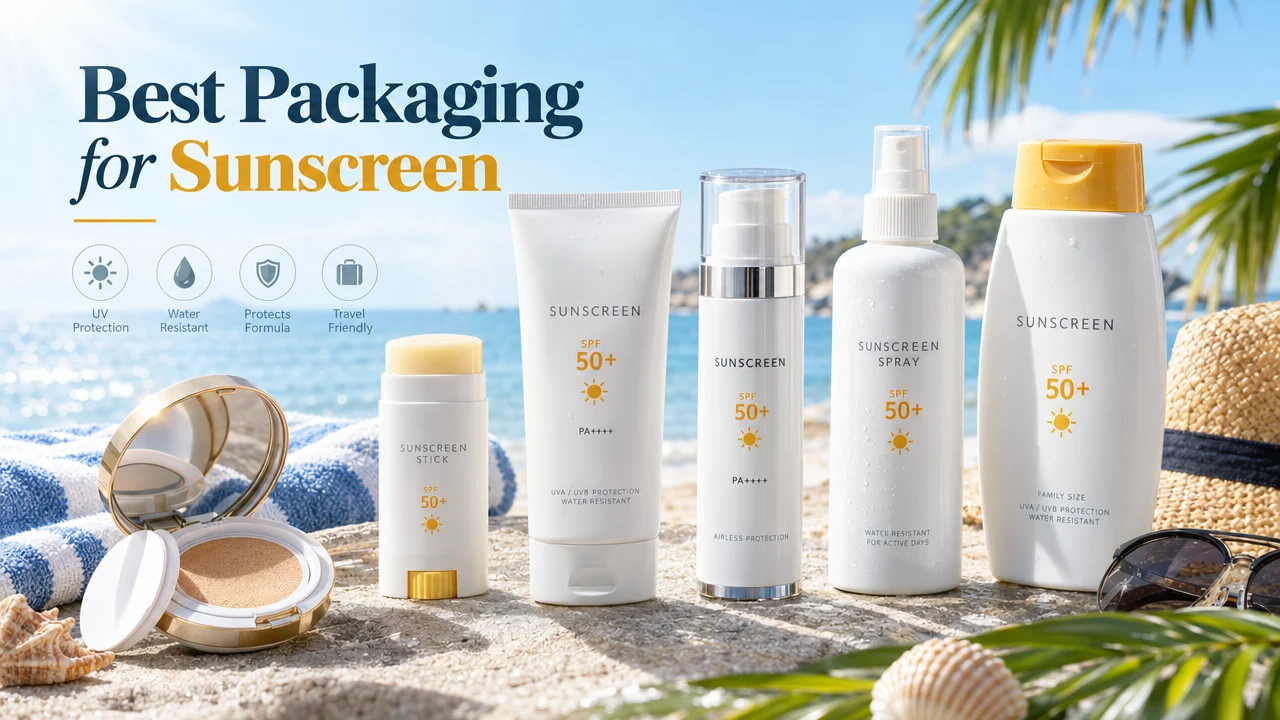
The best packaging for sunscreen depends on the product’s texture, application method, and target market. Lotion bottles with pumps are ideal for daily sunscreens, airless bottles provide additional protection for premium formulations, while squeeze tubes remain a practical choice for travel-friendly and high-volume products. The ideal solution should protect the formula, prevent leakage, and provide accurate dispensing.
Why Is Sunscreen Packaging Different?
Sunscreen products are exposed to conditions that many other skincare products rarely experience.
Consumers often take sunscreen to the beach, swimming pools, outdoor sports, or vacations. The packaging may spend hours inside a hot car or backpack before being used several times throughout the day.
Because of these usage habits, sunscreen packaging must be designed to withstand transportation, temperature changes, and repeated handling without compromising product performance.
What Should Brands Consider When Choosing Sunscreen Packaging?
Several factors should be evaluated before selecting packaging for a sunscreen product.
Formula Viscosity
Sunscreen formulations vary from lightweight fluids to thick creams.
The viscosity directly affects which dispensing system works best.
Lightweight formulas generally perform well in pump bottles or airless bottles, while thicker sunscreens are often easier to dispense from squeeze tubes.
Manufacturers typically conduct dispensing tests using the actual formulation to ensure consumers can easily use the product until the container is empty.
Product Protection
Although modern sunscreen ingredients are formulated for stability, prolonged exposure to heat and sunlight may still affect certain formulations.
Packaging should reduce unnecessary exposure to air and light while protecting the product during transportation and storage.
For premium sunscreen products containing antioxidants or additional active ingredients, airless packaging may offer extra protection.
Consumer Convenience
Sunscreen is frequently reapplied throughout the day.
Consumers expect packaging that is easy to carry, simple to operate, and comfortable to use with one hand.
Lightweight bottles, leak-proof caps, and reliable pumps all contribute to a better user experience.
Common Sunscreen Packaging Options
Different packaging formats suit different product types.
Pump Bottles
Pump bottles are one of the most popular choices for sunscreen lotions.
They provide controlled dispensing and help consumers avoid applying too much product at one time.
Advantages
- Easy daily use
- Consistent dosage
- Good leak resistance
- Suitable for family-sized products
Pump bottles are commonly used for facial sunscreen, body sunscreen, and moisturizing sun care products.
Airless Bottles
Airless bottles are increasingly used for premium sunscreen formulations.
The vacuum dispensing system minimizes contact between the product and outside air while providing a luxurious user experience.
Best Applications
Airless bottles are well suited for:
- Premium facial sunscreens
- Anti-aging sunscreens
- Mineral sunscreen products
- Sunscreens containing active skincare ingredients
Squeeze Tubes
Plastic squeeze tubes remain one of the most widely used packaging formats for sunscreen.
They are lightweight, portable, and convenient for travel.
Their flexible design also allows consumers to dispense thick creams with minimal effort.
Choosing the Right Packaging Material
The bottle material influences durability, appearance, and manufacturing costs.
PET Bottles
PET is a popular material for sunscreen packaging because it combines lightweight construction with good impact resistance.
Durability
PET bottles are tested for compression resistance and drop performance to ensure they can withstand transportation and daily handling.
This makes them a practical option for products that are frequently carried in bags or luggage.
Appearance
PET provides good transparency and supports a wide range of decoration techniques, allowing brands to create attractive packaging at competitive production costs.
PETG Bottles
PETG is commonly selected for premium sunscreen products.
Luxury Appearance
Its crystal-clear finish creates a sophisticated appearance that enhances shelf appeal and reinforces premium brand positioning.
Decoration Compatibility
PETG performs exceptionally well with hot stamping, silk printing, matte coatings, and other decorative finishes, giving brands greater flexibility in packaging design.
PCR Materials
As sustainability becomes more important, many skincare brands are exploring packaging made with post-consumer recycled (PCR) plastics.
Manufacturers should evaluate the desired percentage of recycled content alongside appearance, processing performance, and regional recycling requirements.
Important Packaging Performance Tests
Professional sunscreen packaging should undergo comprehensive quality testing before production.
Leakage Test
Filled containers are placed in different positions and tested under pressure to verify that seals remain secure during shipping and everyday use.
Leak-proof packaging helps prevent product loss and protects other items during transportation.
Pump Performance Test
For pump bottles, manufacturers measure dispensing volume, pumping force, and return speed.
Repeated cycle testing confirms that the pump continues to operate smoothly throughout the product’s expected lifespan.
Transportation Simulation
Packaging is subjected to vibration, stacking pressure, and environmental testing to simulate real shipping conditions.
These tests help identify potential weaknesses before products enter the market.
Compatibility Test
The packaging is tested with the sunscreen formulation under controlled storage conditions.
Manufacturers monitor changes in color, odor, texture, and packaging integrity to confirm long-term compatibility.
Common Packaging Mistakes
Choosing Packaging Based Only on Appearance
Eye-catching packaging is important, but it should never compromise functionality.
A stylish bottle that leaks or dispenses inconsistently can quickly damage customer trust.
Ignoring Outdoor Usage
Unlike many skincare products, sunscreen is regularly exposed to challenging environments.
Brands should consider heat resistance, portability, and durability during packaging development.
Overlooking Consumer Experience
Packaging should be easy to open, comfortable to hold, and simple to use with one hand.
Small usability improvements can significantly improve customer satisfaction and encourage repeat purchases.
How to Choose a Reliable Sunscreen Packaging Manufacturer
An experienced packaging manufacturer should provide support throughout the entire development process, including:
- Packaging structure recommendations
- Material selection
- Pump compatibility testing
- Decoration customization
- Mold development
- Quality inspection
- OEM & ODM services
Working with a single supplier helps ensure consistent quality and more efficient communication from concept to mass production.
Why Work With Us?
With over 20 years of experience in cosmetic packaging manufacturing, we develop reliable packaging solutions for sunscreen, skincare, and personal care brands worldwide.
Our product range includes:
- Lotion bottles
- Airless bottles
- Cosmetic tubes
- PET and PETG packaging
- Custom decoration
- OEM & ODM manufacturing
- Comprehensive quality control
Whether you are launching a facial sunscreen, body sunscreen, or mineral sunscreen collection, our team can help you select packaging that protects your product while enhancing your brand image.
Conclusion
The right sunscreen packaging should do more than simply hold the product. It should protect the formula, provide convenient dispensing, withstand daily use, and reinforce your brand positioning.
By selecting the appropriate bottle type, material, and dispensing system, skincare brands can improve both product performance and the overall customer experience.
Looking for customized sunscreen packaging solutions? Contact our team today to discuss your project. We’ll help you choose the ideal packaging for your formulation, target market, and brand goals.