

As more beauty brands shift toward sustainability, many ask whether PLA can solve plastic-waste problems. I often work with packaging teams struggling to balance eco goals with product safety and performance. PLA seems promising—but what exactly can it do, and where are its limits?
PLA (Polylactic Acid) is a biodegradable bioplastic made from renewable crops like corn or sugarcane. In cosmetic packaging, it’s used to create jars, bottles, caps, trays, and single-use applicators. Its main advantages include compostability, low carbon footprint, and good clarity, while limitations involve heat sensitivity, weaker barrier properties, and the need for industrial composting to degrade effectively.
With the basics clarified, let me walk you through how PLA performs in real-world cosmetic packaging and whether it’s the right choice for your product line.
Contents
- What Is PLA and Why Is It Important in Sustainable Cosmetic Packaging?
- Is PLA Good for Cosmetic Packaging?
- Is PLA Really Biodegradable?
- What Are the Disadvantages of PLA Packaging?
- How Does PLA Compare to Other Bioplastics?
- Can PLA Be Used for Skincare or Lotion Bottles?
- Is PLA Safe for Packaging Beauty Products?
- Market Trends in Sustainable Packaging
- PLA vs PET Packaging: Key Differences
- Cost Factors of PLA Packaging for Beauty Brands
- Insights About Biodegradability, Compostability, and Recycling of PLA
- Final Thoughts: The Future of PLA in Cosmetic Packaging
What Is PLA and Why Is It Important in Sustainable Cosmetic Packaging?
• What PLA Is and Where It Comes From
PLA is a bioplastic made from fermented plant sugars, most commonly sourced from corn, sugarcane, or cassava. These renewable crops are converted into lactic acid and polymerized into resin, creating a plastic alternative that reduces reliance on fossil fuels. Its plant-based origin supports sustainability goals for modern cosmetic brands.
PLA appeals to beauty brands because it offers a clear sustainability narrative backed by measurable benefits. Its bio-based origin lowers carbon emissions, aligns with green marketing objectives, and supports consumer demand for environmentally conscious packaging. As sustainability becomes a brand differentiator, PLA helps companies demonstrate genuine commitment beyond product formulation alone.
• PLA’s Role in Reducing Carbon Footprint
Compared to conventional petroleum plastics, PLA generates substantially fewer greenhouse gas emissions throughout its life cycle. Its raw materials grow annually, absorbing atmospheric CO₂ during cultivation. Even though processing and transport still produce emissions, the overall environmental footprint is significantly smaller, making PLA a practical choice for brands pursuing carbon-reduction strategies.
• Why PLA Fits the Future of Eco-Friendly Cosmetic Packaging
As governments regulate plastic waste and consumers expect brands to adopt greener materials, PLA provides a workable balance between sustainability and usability. It supports compostable packaging initiatives, works with mainstream molding technologies, and looks visually premium. These qualities position PLA as a leading candidate in the transition toward eco friendly cosmetic packaging materials.
Is PLA Good for Cosmetic Packaging?
• Overall Suitability of PLA for Cosmetics
PLA performs well for cosmetic packaging because it combines clarity, rigidity, and eco-appeal. It offers a glass-like aesthetic that enhances shelf presence, while its biobased origin supports sustainability claims. However, success depends on formulation compatibility, filling temperature, and storage conditions, which determine whether PLA is the right fit for specific products.
• Visual Appeal and Transparency
One of PLA’s most attractive features is its high transparency and glossy finish. These optical properties closely resemble PET, giving packaging a premium appearance ideal for beauty and skincare lines. Its clarity highlights product color and texture, allowing minimalist design concepts to shine while maintaining a modern, eco-luxury aesthetic.
• Structural Strength and Rigidity
PLA has excellent stiffness, making it suitable for jars, compact cases, and blister trays. It retains shape well under moderate stress and provides a high-quality tactile feel. This rigidity helps cosmetic products maintain a durable, elegant structure while supporting precise branding through sharp edges, clean geometry, and stable dimensional accuracy.
• Compatibility with Manufacturing Processes
Manufacturers appreciate PLA’s adaptability to existing molding and forming technologies. It performs well in injection molding, extrusion, and thermoforming without requiring radical equipment changes. This production flexibility makes it accessible to packaging factories worldwide, reducing the learning curve and enabling smooth integration into current supply chains for sustainable beauty packaging.
• Marketing Advantages for Sustainable Brands
From a marketing perspective, using PLA communicates authenticity in a brand’s sustainability story. Labels like “plant-based,” “renewable,” or “bioplastic” resonate strongly with eco-conscious consumers. This storytelling advantage enhances customer perception and loyalty, particularly in premium and natural beauty segments, where transparency and environmental responsibility influence purchasing decisions.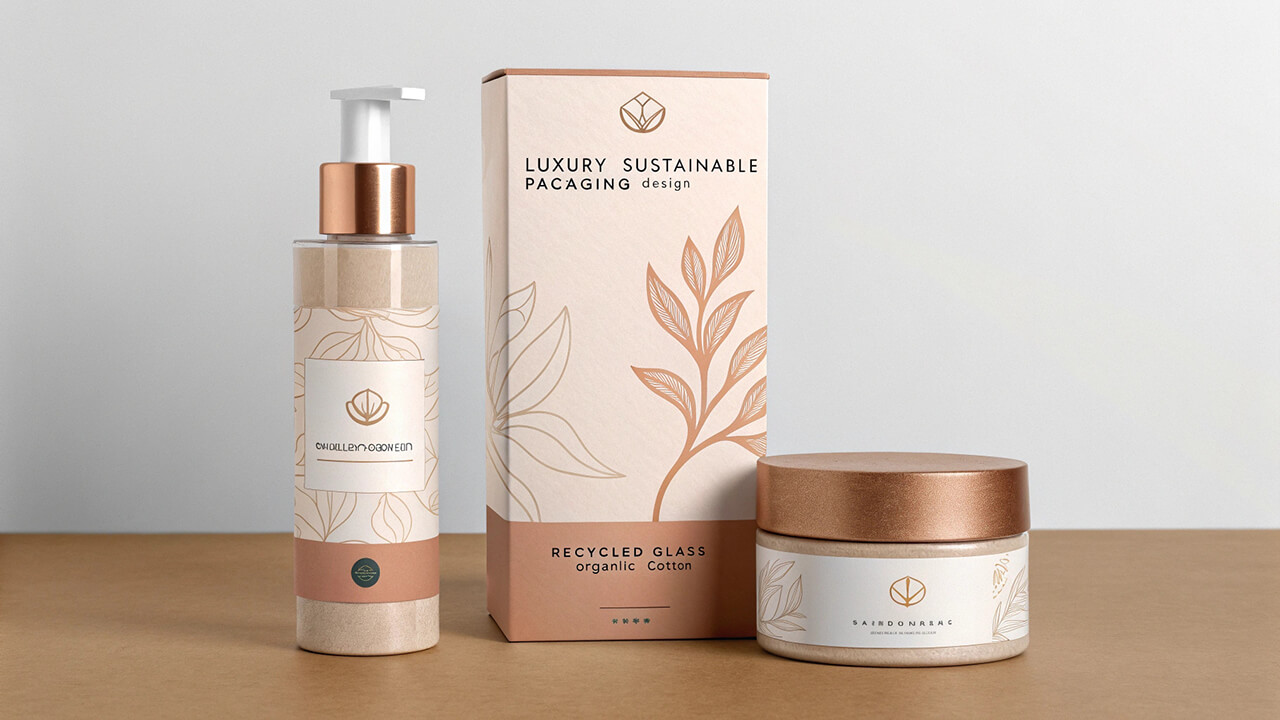
• Limitations to Consider
While PLA offers many benefits, it also has technical constraints. It softens at relatively low temperatures and can deform if exposed to heat during transport or filling. Additionally, its moisture and oxygen barrier properties are lower than PET, which limits its use for high-sensitivity formulations or long-shelf-life products.
Is PLA Really Biodegradable?
• Understanding PLA’s Biodegradability
PLA is technically biodegradable, but only under specific industrial composting conditions. It requires sustained high temperatures, moisture, and microbial activity to decompose effectively. In ordinary environments like soil or ocean water, PLA remains intact for years. This distinction is vital when brands claim environmental benefits to avoid misleading greenwashing practices.
• Industrial Composting Requirements
For true biodegradation, PLA must be processed in industrial composting facilities maintaining around 58°C with continuous aeration. Under these conditions, microorganisms break down PLA into water, CO₂, and biomass within roughly 60–90 days. Without these facilities, PLA behaves like conventional plastic, remaining stable and slow to degrade in natural conditions.
• Common Misconceptions About PLA
Many consumers mistakenly believe PLA naturally decomposes in home compost bins or the environment. In reality, it is industrial compostable, not universally biodegradable. Educating customers about proper disposal channels helps maintain brand credibility. Mislabeling can damage reputation, especially as regulators tighten scrutiny over sustainability and biodegradability claims.
• Correct Environmental Terminology
Instead of broadly calling PLA “biodegradable,” it’s more accurate to describe it as biobased or industrially compostable. These terms reflect scientific and regulatory precision. Using proper wording in product communication ensures compliance with certification bodies and environmental marketing guidelines, reinforcing consumer trust in the brand’s genuine sustainability efforts.
• Recognized Certification Standards
Several certifications validate PLA’s compostability, including EN 13432, ASTM D6400, and TÜV OK Compost Industrial. These labels confirm that PLA can break down safely under controlled composting conditions without leaving harmful residues. Brands seeking credibility should display these certifications and verify their suppliers’ compliance to strengthen sustainable packaging claims.
What Are the Disadvantages of PLA Packaging?
• Low Heat Resistance
PLA begins to soften at temperatures above 55°C, making it unsuitable for hot filling or sterilization. This low heat tolerance can lead to warping or deformation during transportation in warm climates. As a result, it’s best suited for low-temperature applications or enhanced through crystallization and additive blending technologies.
• Poor Barrier Performance
Compared with PET or PP, PLA’s barrier properties against oxygen and moisture are relatively weak. This means sensitive cosmetic formulas—especially those containing water, oils, or active ingredients—may experience faster degradation or evaporation. To compensate, many manufacturers apply barrier coatings or multilayer constructions to improve overall packaging performance.
• Chemical Compatibility Issues
Some essential oils, acids, and solvents found in cosmetic formulas can react with PLA, causing brittleness, whitening, or surface cracking. These interactions may compromise packaging aesthetics and product safety. To prevent this, brands should perform compatibility testing early in development, ensuring material stability for long-term cosmetic formulations.
• End-of-Life Limitations
PLA requires industrial composting to biodegrade efficiently, yet such facilities remain scarce in many countries. When disposed of in landfills, PLA behaves similarly to traditional plastic, persisting for decades. Without proper waste management infrastructure, the environmental advantages of PLA diminish, making consumer education and disposal guidance essential for brands.
• Cost and Market Limitations
Although PLA prices have decreased, it remains costlier than conventional plastics like PET or PP due to agricultural feedstock prices and production scale. Smaller brands may find it challenging to absorb these costs. However, growing global demand for bioplastics is gradually improving PLA’s affordability through technological advancement and mass production.
How Does PLA Compare to Other Bioplastics?
• Overview of PLA’s Position Among Bioplastics
PLA is currently the most widely used bioplastic due to its affordability, availability, and ease of processing. Compared with emerging biopolymers like PHA or PBS, PLA offers a more accessible entry point for manufacturers. However, it sacrifices certain mechanical and barrier properties, making it more suitable for non-demanding packaging applications.
• Comparison with PHA
PHA is fully biodegradable, even in marine environments, offering a superior ecological profile. However, it’s expensive to produce and limited in commercial availability. PLA, while less biodegradable, is cheaper and easier to process using existing equipment, making it more practical for large-scale cosmetic packaging production and quick market adoption.
• Comparison with PBS
PBS provides better flexibility and heat resistance than PLA, which is beneficial for more durable packaging. However, PBS is typically less transparent and costs more to produce. PLA, by contrast, excels in optical clarity and aesthetic appeal, making it ideal for beauty brands that prioritize packaging visibility and design elegance.
• Comparison with Bio-PET
Bio-PET combines plant-based and fossil-derived materials, retaining the strength and recyclability of traditional PET. It’s not biodegradable but can enter existing recycling systems. PLA, on the other hand, is compostable but not recyclable alongside PET. Choosing between them depends on regional waste infrastructure and brand sustainability priorities.
• Choosing the Right Bioplastic for Cosmetics
Selecting a bioplastic depends on each brand’s priorities—cost, appearance, functionality, and disposal options. PLA suits short-life, visually appealing products; PHA targets full biodegradability; PBS offers flexibility; Bio-PET supports circular recycling. Understanding these trade-offs allows packaging designers to make informed, eco-responsible material decisions aligned with brand identity and market goals.
Can PLA Be Used for Skincare or Lotion Bottles?
• General Feasibility for Skincare Packaging
PLA can be used for skincare and lotion bottles when formulations are gentle and filling temperatures remain moderate. Its smooth surface and high transparency enhance shelf aesthetics. However, manufacturers must carefully assess formulation compatibility to prevent stress cracking or deformation, ensuring consistent performance and customer satisfaction in real-world use.
• Common Applications in Cosmetics
PLA bottles work well for toners, facial mists, gels, and light lotions with low oil content. These formulations don’t require high-temperature filling or extended storage. Many brands use PLA for sample containers, travel-size products, and refill packs, where sustainability, lightweight design, and visual appeal outweigh extreme performance requirements.
• Material Modifications for Durability
To enhance strength and flexibility, manufacturers blend PLA with materials like PBAT or PBS. These blends improve toughness and thermal resistance without compromising compostability. Some also use crystallization techniques or bio-based coatings to create heat-stable bottles that maintain integrity during transportation and storage in warm retail environments.
• Coating and Barrier Solutions
Advanced coating technologies help overcome PLA’s low barrier properties. Thin bio-based or nano-coatings reduce moisture and oxygen permeability, extending product shelf life. These coatings can also improve chemical resistance against active ingredients in lotions or serums, enabling PLA to serve effectively in mid-range cosmetic packaging lines without deformation risks.
• Supplier and Manufacturing Considerations
When sourcing PLA skincare packaging, choose suppliers specializing in bioplastic formulations. Reliable PLA packaging manufacturers offer pre-tested bottles and jars that meet cosmetic stability standards. Wholesalers often provide customizable options for branding and labeling, making it easier for beauty companies to adopt PLA without sacrificing packaging quality or visual design.
Is PLA Safe for Packaging Beauty Products?
• General Safety Profile
PLA is considered safe for cosmetic and food-contact applications. Derived from renewable, non-toxic plant sources, it contains no harmful plasticizers or heavy metals. Regulatory authorities, including the U.S. FDA and EU bodies, recognize PLA as compliant for indirect product contact, provided that formulation compatibility and migration testing confirm stability.
• Regulatory Approvals and Compliance
Regulatory agencies such as the FDA, EFSA, and REACH approve PLA for many packaging uses. However, compliance depends on additives and colorants used during production. Brands must ensure their suppliers provide proper documentation and safety certifications demonstrating PLA’s conformity with international cosmetic packaging and food-grade material standards.
• Migration and Stability Testing
Before mass production, brands should conduct migration and stability testing. These tests evaluate whether cosmetic ingredients interact with PLA, causing odor, discoloration, or leaching. Accelerated aging studies under varied temperature and humidity conditions ensure product safety and packaging integrity, minimizing potential risks during global distribution and long-term storage.
• Chemical Inertness and Formula Compatibility
PLA is generally inert but can react with aggressive ingredients like alcohol, acids, or essential oils. Such reactions may lead to whitening or cracking. Conducting early compatibility tests helps identify risks, allowing manufacturers to apply protective coatings or select PLA blends optimized for specific cosmetic product formulations.
• Sustainability and Consumer Safety Perception
Consumers associate plant-based materials like PLA with safety and environmental responsibility. Its renewable origin and non-toxic profile reinforce brand trust. Communicating that PLA is both safe and sustainable strengthens a beauty company’s eco-conscious image, making it easier to position products as ethical, modern, and transparent within competitive global markets.
Market Trends in Sustainable Packaging
• Growing Consumer Demand for Eco-Friendly Packaging
Modern consumers increasingly prioritize environmental values when choosing beauty products. Surveys show over 60% prefer brands using eco friendly cosmetic packaging materials. This shift reflects broader lifestyle changes toward sustainability, encouraging brands to adopt biodegradable, recyclable, or compostable materials like PLA that align with conscious consumer expectations and values.
• Regulatory Push Toward Plastic Alternatives
Governments worldwide are tightening restrictions on single-use plastics. The European Union and several Asian countries now promote biodegradable cosmetic containers and compostable bioplastic packaging. These regulations incentivize companies to replace petroleum-based plastics with renewable materials, driving faster innovation in sustainable packaging solutions such as PLA bottles, jars, and films.
• Corporate Sustainability Commitments
Global beauty giants increasingly integrate sustainability into corporate strategy. Many pledge to reduce virgin plastic usage or achieve 100% recyclable or compostable packaging by 2030. PLA’s biobased origin fits these goals, enabling measurable progress toward environmental benchmarks while maintaining product aesthetics, performance, and brand storytelling consistency across market tiers.
• Expansion of Bioplastic Manufacturing Capabilities
Investment in bioplastic manufacturing is growing rapidly. Companies are scaling up production facilities for materials like PLA, improving availability and reducing costs. This expansion enhances global supply chain stability, making PLA more accessible to packaging designers and wholesalers who want to incorporate renewable polymers into mainstream cosmetic packaging systems.
• Consumer Education and Transparency Trends
Today’s buyers expect honesty about material sourcing and end-of-life impact. Brands are increasingly transparent, educating customers about compostability, recyclability, and proper disposal methods. Explaining that PLA requires industrial composting helps manage expectations while building trust. Transparency in sustainability communication is now a critical competitive factor in the beauty industry.
PLA vs PET Packaging: Key Differences
• Source and Material Composition
PLA is derived from renewable plant starches such as corn or sugarcane, while PET comes from non-renewable petroleum. This fundamental difference shapes their environmental profiles. PLA supports carbon reduction and sustainable sourcing, whereas PET depends on fossil fuels but benefits from a well-established global recycling infrastructure and supply chain.
• Heat and Mechanical Performance
PET exhibits excellent heat resistance and mechanical strength, making it ideal for hot-fill and long-shelf-life cosmetics. PLA, however, softens at around 55°C and requires careful handling during transport. While PLA’s rigidity suits many cosmetic formats, it cannot match PET’s durability under stress or temperature fluctuations in challenging environments.
• Barrier Properties and Product Protection
PET provides superior oxygen and moisture barrier performance, preserving volatile cosmetic ingredients and fragrances more effectively. PLA’s barrier capacity is moderate, sufficient for low-sensitivity products. Some manufacturers apply special coatings or multilayer films to improve PLA’s protection, but PET remains the stronger choice for highly reactive or delicate formulations.
• End-of-Life and Waste Management
PET is widely recyclable in most municipal systems, whereas PLA requires industrial composting facilities, which remain limited. Mixing the two in recycling streams can cause contamination issues. Educating consumers and implementing clear labeling help ensure proper disposal, preventing PLA from undermining established PET recycling processes in large-scale waste systems.
• Cost and Market Accessibility
PET remains cheaper due to mass production and established infrastructure, while PLA is slightly more expensive but rapidly closing the gap. Brands focusing on sustainability storytelling often accept the added cost of PLA as an investment in reputation, market differentiation, and compliance with global environmental packaging mandates.
Cost Factors of PLA Packaging for Beauty Brands
• Raw Material and Feedstock Costs
PLA’s cost begins with agricultural feedstocks like corn and sugarcane. Price fluctuations in crops directly affect resin pricing. Weather conditions, global demand for bioethanol, and land-use competition influence cost stability. Although feedstocks are renewable, they remain tied to agricultural economics, creating moderate price volatility compared with fossil-derived polymers.
• Production and Processing Expenses
PLA processing generally uses lower temperatures than PET, saving some energy. However, specialized conditions—such as drying and crystallization—add operational complexity. Equipment retrofitting and slower cycle times may increase manufacturing costs. As facilities become optimized for PLA, production efficiency continues to improve, helping manufacturers gradually reduce unit expenses over time.
• Tooling and Equipment Adaptation
Switching to PLA may require modified molds or tooling adjustments, particularly for injection molding. Its different flow characteristics and shrinkage rates mean existing equipment sometimes needs recalibration. While the initial investment can be high, once adapted, PLA processes become stable and repeatable, reducing long-term production costs for sustainable packaging.
• Economies of Scale and Global Supply Growth
As global demand for bioplastics increases, PLA producers are expanding capacity in Asia, Europe, and North America. Larger-scale production lowers costs through improved efficiency and competition. These economies of scale will likely make PLA pricing comparable to PET and PP within the next decade, accelerating mainstream market adoption.
• Balancing Sustainability and Profitability
For beauty brands, the higher cost of PLA is often offset by marketing value and consumer loyalty. Eco-conscious packaging enhances brand perception and can justify premium pricing. When sustainability becomes part of brand identity, PLA packaging transforms from an expense into a strategic investment supporting long-term competitiveness and credibility.
Insights About Biodegradability, Compostability, and Recycling of PLA
• How PLA Biodegradation Works
PLA biodegrades through microbial activity that breaks its polymer chains into lactic acid. This process requires specific conditions—high temperature, humidity, and oxygen—found in industrial composting facilities. In natural environments like soil or ocean, degradation happens extremely slowly, so proper waste management is crucial for realizing PLA’s ecological benefits.
• Industrial Composting Conditions
PLA decomposes efficiently in industrial composters operating at about 58°C with consistent aeration and microbial balance. Under these controlled settings, it converts to CO₂, water, and biomass within 60–90 days. However, such facilities are still limited globally, restricting PLA’s full compostability potential in many consumer disposal systems today.
• Home Composting Limitations
Home composting rarely reaches the temperatures needed for PLA to degrade effectively. Even after several months, most PLA packaging remains intact. This limitation can confuse consumers who expect quick decomposition. Clear labeling and education about industrial composting requirements help prevent misconceptions and reinforce a brand’s transparency about environmental claims.
• Recycling Compatibility Challenges
PLA is chemically incompatible with conventional PET recycling streams. Even small amounts can contaminate recycled PET batches, reducing material quality. For this reason, many recycling facilities reject PLA products. Separate collection systems or specialized recycling technologies are being developed but remain limited in availability and scalability worldwide.
• Emerging Circular Solutions
Innovative recycling methods—such as chemical depolymerization and enzymatic breakdown—show promise for recovering lactic acid from used PLA packaging. These technologies could eventually close the material loop, transforming PLA into a circular bioplastic. Continued investment and collaboration among packaging suppliers and recyclers are essential for achieving commercial-scale adoption.
Final Thoughts: The Future of PLA in Cosmetic Packaging
• Growing Role of PLA in Sustainable Innovation
PLA is set to become a cornerstone of sustainable beauty packaging. As consumer demand for eco-conscious products accelerates, more brands are shifting from fossil-based plastics to biobased solutions. Ongoing research and production scale-up make PLA increasingly practical, bridging environmental responsibility and market viability across the global cosmetic industry.
• Technological Advancements Ahead
Future innovations will focus on improving PLA’s heat resistance, barrier properties, and recyclability. Nanotechnology, smart additives, and hybrid polymer systems will extend its usability in complex packaging formats. These advancements will allow PLA to compete with conventional plastics, expanding its adoption beyond jars and bottles to flexible films and caps.
• Collaboration Across the Supply Chain
The successful transition to PLA packaging depends on collaboration among material suppliers, cosmetic brands, and recyclers. Shared knowledge, standardized labeling, and unified disposal systems can solve many current limitations. When stakeholders align goals, the entire industry benefits—creating packaging that is both high-performing and genuinely environmentally responsible.
• Balancing Performance and Perception
While consumers value sustainability, packaging must still perform flawlessly. Brands adopting PLA should emphasize both ecological integrity and product reliability. Communicating its compostable nature transparently—while managing expectations about disposal—helps maintain trust, ensuring PLA packaging is seen as a thoughtful evolution rather than a compromise in beauty product quality.
• The Road Toward a Circular Beauty Industry
PLA represents more than a material choice; it embodies a shift toward circular design thinking in cosmetics. By combining renewable resources, advanced composting systems, and consumer education, the industry can minimize waste and close the loop. The future of beauty packaging is green, transparent, and powered by smart bioplastics.


