

Introduction
Choosing the right pump system is an important part of cosmetic packaging design.
A pump is not only a dispensing component. It affects product texture, user experience, dosage control, and brand perception.
Many skincare and personal care brands often ask:
Should I choose a foam pump or a lotion pump for my product?
The answer depends on your formula type, product positioning, and customer experience goals.
Foam Pump vs Lotion Pump: What Is the Difference?
A foam pump creates foam by mixing liquid formula with air during dispensing, while a lotion pump directly pushes liquid or cream products through the pump system. Foam pumps are suitable for lightweight cleansing products and mousse formulas, while lotion pumps are better for lotions, creams, and thicker skincare products.
Choosing the right pump helps improve product performance and consumer experience.

What Is a Foam Pump Bottle?
A foam pump bottle is a packaging system that transforms liquid formulas into foam when the consumer presses the pump.
The pump mechanism mixes:
- Liquid formula
- Air
to create a soft foam texture.
Common applications include:
- Facial cleansers
- Hand soaps
- Body washes
- Baby care products
- Gentle cleansing products
Benefits of Foam Pump Packaging
1. Creates a Better User Experience
Foam products are often preferred because they feel:
- Lightweight
- Gentle
- Easy to spread
For facial cleansers and sensitive skincare products, foam texture can improve the application experience.
2. Reduces Product Usage
Because foam expands during dispensing, consumers often need less product per use.
This can help brands improve:
- Product efficiency
- Consumer satisfaction
- Usage duration
3. Suitable for Gentle Formulas
Foam pumps are commonly used for mild formulas.
Examples:
- Sensitive skin cleansers
- Baby products
- Natural skincare products
The soft foam texture matches the positioning of gentle care products.
What Is a Lotion Pump?
A lotion pump is one of the most common cosmetic dispensing systems.
Unlike foam pumps, lotion pumps dispense the original formula directly.
They are commonly used for:
- Body lotion
- Hand cream
- Shampoo
- Conditioner
- Serum
- Liquid skincare products
Benefits of Lotion Pump Bottles
1. Works With More Formula Types
Lotion pumps can handle many different textures.
They are suitable for:
- Thin liquids
- Medium viscosity formulas
- Some thicker lotions
This makes them a flexible packaging option.

2. Accurate Dosage Control
A quality lotion pump provides consistent output.
This helps consumers control:
- Amount per use
- Product application
Consistent dispensing also improves the overall brand experience.
3. Easy Product Development
Because lotion pumps are widely used, brands have many options for:
- Bottle designs
- Pump styles
- Capacities
- Decoration
Foam Pump vs Lotion Pump: Complete Comparison
| Feature | Foam Pump | Lotion Pump |
| Dispensing method | Creates foam | Dispenses liquid directly |
| Formula mixed with air | Yes | No |
| Texture | Soft foam | Original formula |
| Best for | Cleansers, mousse | Lotion, cream, serum |
| User experience | Gentle and light | Direct application |
| Formula viscosity | Low viscosity | Medium viscosity |
| Common market | Facial care, baby care | Skincare, body care |
How to Choose the Right Pump for Your Formula?
The most important factor is not the bottle design.
It is the formula.
Choose Foam Pump If Your Product Is:
Facial Cleanser
Foam pumps are popular for facial cleansing products because they create ready-to-use foam.
Gentle Skincare
Products designed for sensitive skin often benefit from soft foam texture.
Low Viscosity Formula
Foam pumps work best with formulas that can flow easily through the pump mechanism.
Choose Lotion Pump If Your Product Is:
Cream or Lotion Based
Thicker formulas usually require stronger dispensing systems.
Examples:
- Body lotion
- Moisturizer
- Hand cream
High Volume Daily Products
Lotion pumps are widely used for products that consumers use frequently.
Can One Pump Replace Another?
Not always.
A common mistake is choosing packaging based only on appearance.
The pump system must match:
- Formula viscosity
- Ingredients
- Usage scenario
- Target market
A mismatch may cause problems such as:
- Poor dispensing
- Pump blockage
- Uneven dosage
- Bad customer experience
Packaging compatibility testing is recommended before mass production.
How to Improve Cosmetic Packaging Experience?
Great packaging combines:
Function
The pump should work smoothly.
Design
The bottle should match brand positioning.
Performance
The packaging should protect and deliver the formula correctly.
For premium skincare brands, details such as pump feel, output amount, and appearance can influence customer perception.
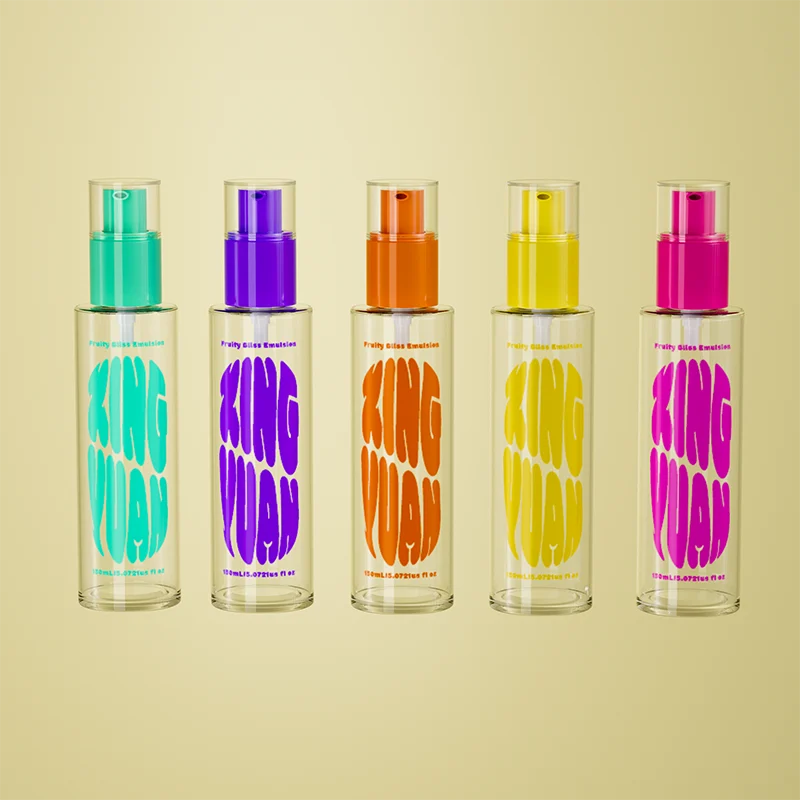
Why Choose Our Cosmetic Pump Bottle Solutions?
With more than 20 years of cosmetic packaging manufacturing experience, we provide customized packaging solutions for skincare and personal care brands.
Our capabilities include:
- Foam pump bottle manufacturing
- Lotion pump bottle solutions
- Custom cosmetic bottles
- Decoration services
- OEM/ODM support
- Quality control
We help brands choose packaging systems that match their formulas and market goals.
Conclusion
Foam pumps and lotion pumps are designed for different cosmetic products.
Foam pumps are ideal for lightweight formulas that require a soft foam texture.
Lotion pumps provide a flexible solution for lotions, creams, and skincare products.
The right pump choice improves product performance, customer experience, and brand value.
Looking for the right cosmetic pump bottle solution? Share your formula and product requirements. Contact our packaging engineers can recommend the best option for your brand.
