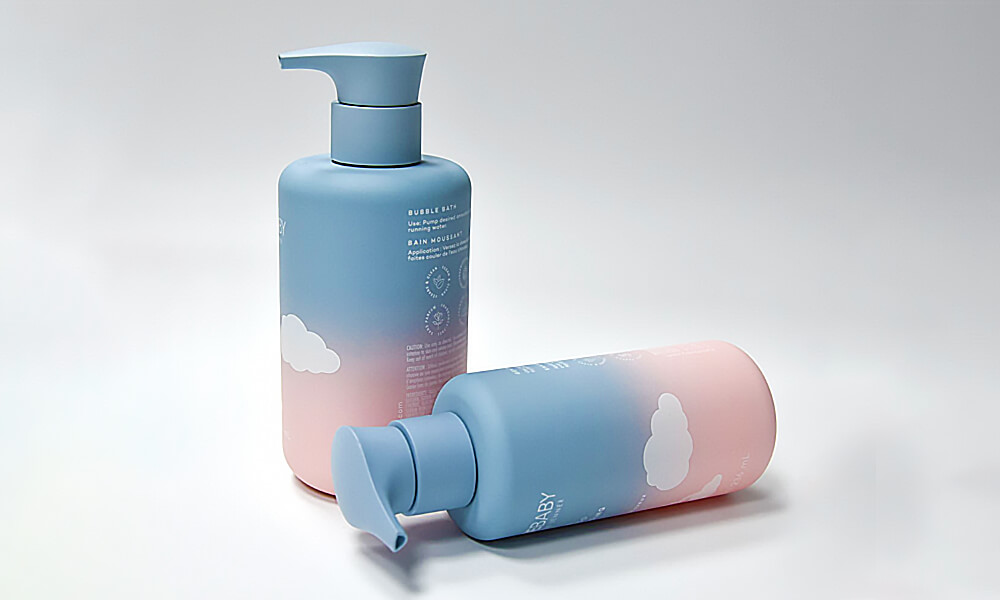
In cosmetic packaging, material selection is never just a technical decision—it’s a branding decision. As a packaging specialist working with skincare, body care, and personal care manufacturers, I often see brands underestimate how strongly packaging texture influences perceived product value.
Soft-touch HDPE bottles have become increasingly popular in the cosmetics industry, but they are not a universal solution. The key question is not whether they look good—but whether they fit your brand positioning, pricing strategy, and customer expectations.
Soft-touch HDPE bottles can significantly improve the hand-feel and overall user experience of a product. If your brand is positioned in the mid-to-high-end market, I recommend starting with a product line upgrade using soft-touch HDPE bottles. If feedback is positive, you can gradually expand its use. If your brand is still building a premium customer base, soft-touch packaging is also a strong tool to help you attract higher-value consumers. However, if your products are positioned for low-end mass markets, soft-touch bottles may not be suitable, as they come with relatively higher packaging costs.
What exactly is a soft-touch HDPE bottle?
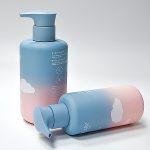
Soft-touch HDPE bottles are based on standard high-density polyethylene (HDPE), but the surface is treated with a special coating process that creates a matte, velvet-like, or rubberized texture.
Compared with traditional glossy or standard HDPE bottles, soft-touch packaging focuses on sensory experience—especially touch—which plays a critical role in consumer perception of cosmetics and personal care products.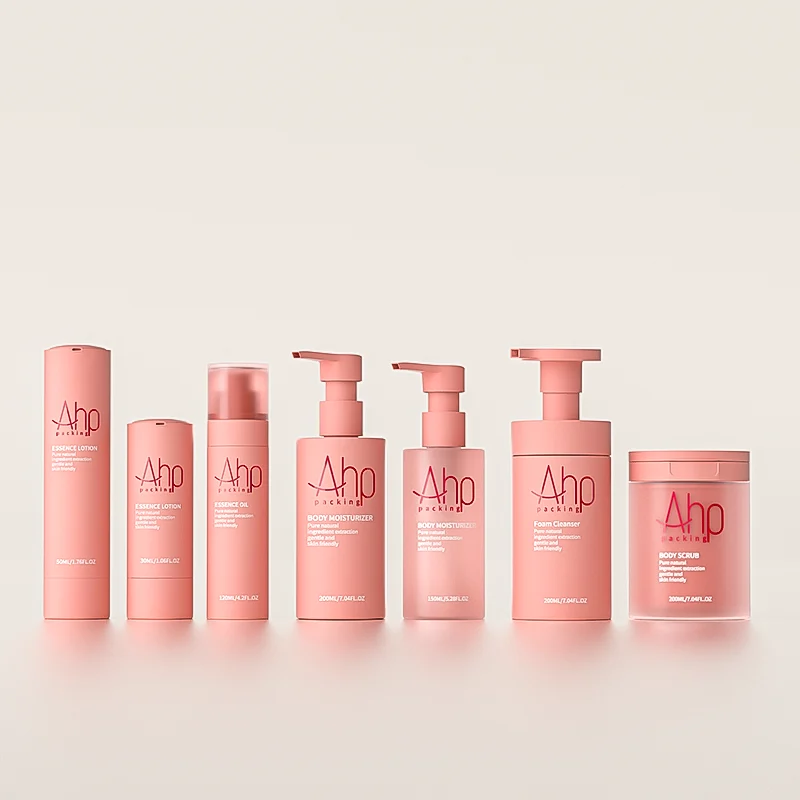
Why soft-touch packaging is gaining attention in cosmetics
From a packaging engineering perspective, soft-touch finishes are not just aesthetic upgrades. They directly influence how consumers evaluate product quality.
1. Stronger premium perception
Consumers often associate soft-touch textures with higher-end skincare and spa-grade products. Even before reading the label, the packaging already signals ndquality.
2. Better user experience
The surface improves grip, especially for shower gels, shampoos, and lotions used in wet environments.
3. Brand differentiation on shelf and online
In both retail and e-commerce visuals, matte soft-touch bottles stand out against standard glossy PET or basic HDPE packaging.
When your brand SHOULD use soft-touch HDPE bottles
As a packaging expert, I usually recommend soft-touch HDPE under the following conditions:
If your brand is positioned in the mid-to-high-end segment, soft-touch packaging is one of the most efficient upgrades you can make. It immediately elevates perceived value without changing the formula.
A practical strategy I often suggest is:
- Start with one product line (hero SKU or best seller)
- Use soft-touch HDPE bottles for packaging upgrade
- Collect customer feedback and monitor sales performance
- If response is positive, expand to the full product range
This phased approach reduces risk while testing market acceptance.
If your brand is not yet fully premium but aims to attract higher-value customers, soft-touch packaging can act as a positioning tool. It helps bridge the gap between “mass product” and “premium brand identity.”
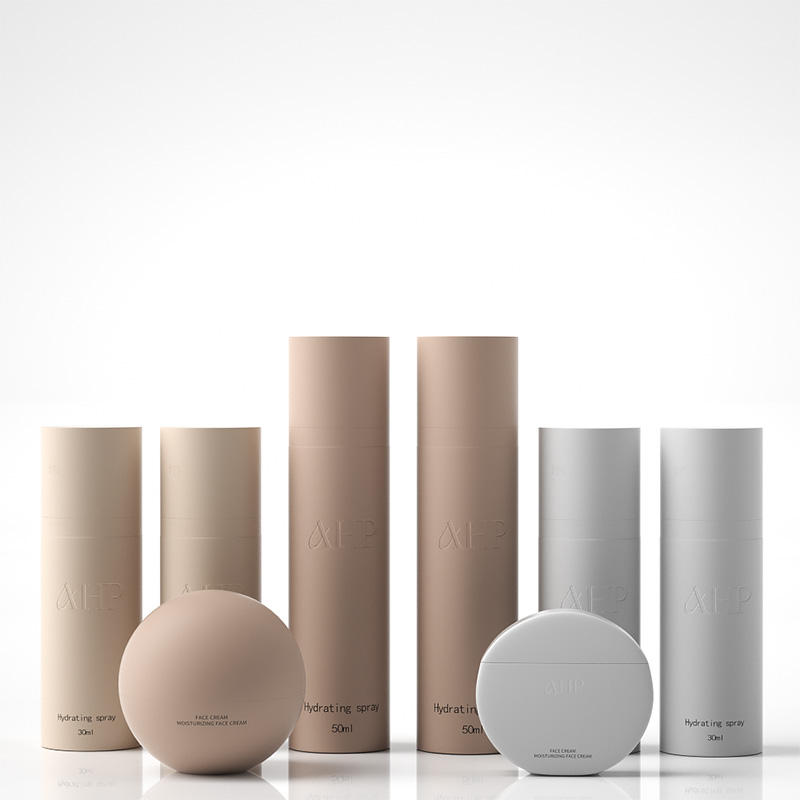
When soft-touch packaging is NOT recommended
Soft-touch HDPE bottles are not suitable for every business model.
If your brand is positioned in the low-price, high-volume mass market, this type of packaging is usually not cost-effective. The reason is simple:
- Soft-touch finishing increases production cost
- Printing and decoration (silkscreen, hot stamping) require special processes
- Overall unit price is higher than standard HDPE or PET bottles
In low-margin markets, packaging cost pressure can outweigh branding benefits.
Important technical consideration: printing and decoration
One point many brands overlook is the printing complexity of soft-touch surfaces.
Because of the matte coating, techniques such as:
- Silkscreen printing
- Hot stamping (foil)
- a Metallic labeling
require specialized inks and controlled processes to ensure adhesion and durability.
If not properly managed, issues like fading, peeling, or uneven printing may occur—especially in high-moisture environments like bathrooms.
Sustainability perspective
Most soft-touch bottles are still based on HDPE (resin code #2), which is widely recyclable in global systems. However, the final recyclability depends on:
- Surface coating type
- Printing inks used
- Whether PCR (post-consumer recycled) materials are included
Many suppliers now offer eco-friendly soft-touch HDPE packaging, combining aesthetic value with sustainability requirements.
Compatibility with pumps and closures
From a functional standpoint, soft-touch HDPE bottles are highly practical. They typically use standard neck finishes such as 24/410 or 28/410, making them compatible with:
- Lotion pumps
- Flip-top caps
- Disc caps
- Trigger sprayers (in selected designs)
This makes them suitable for most skincare and body care applications.
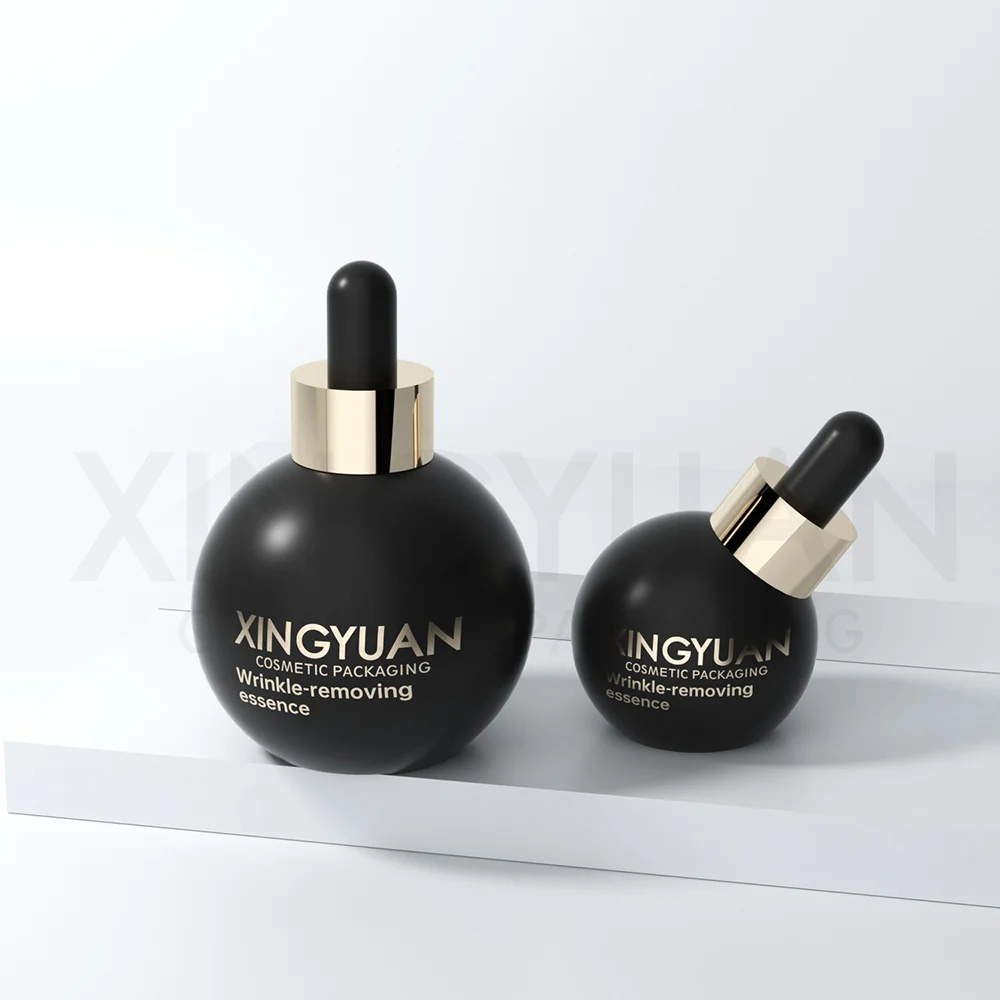
Final professional recommendation
From a packaging strategy perspective, soft-touch HDPE bottles are not just “premium packaging”—they are a positioning tool.
Used correctly, they can:
- Elevate brand perception
- Improve user experience
- Support premium pricing strategies
But they must align with your market positioning.
If you are in the mid-to-high-end space, I strongly recommend testing soft-touch packaging on a limited product line first. If you see positive market response, scaling up is a logical next step. Tall to our packaging expert for more information or ask for free sample, we have helped a lot of cosmetic brands to expand their market.
If your brand is mass-market and highly price-sensitive, it may be better to focus on functional HDPE or PET packaging first before upgrading to soft-touch solutions.