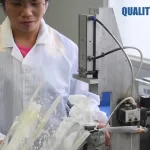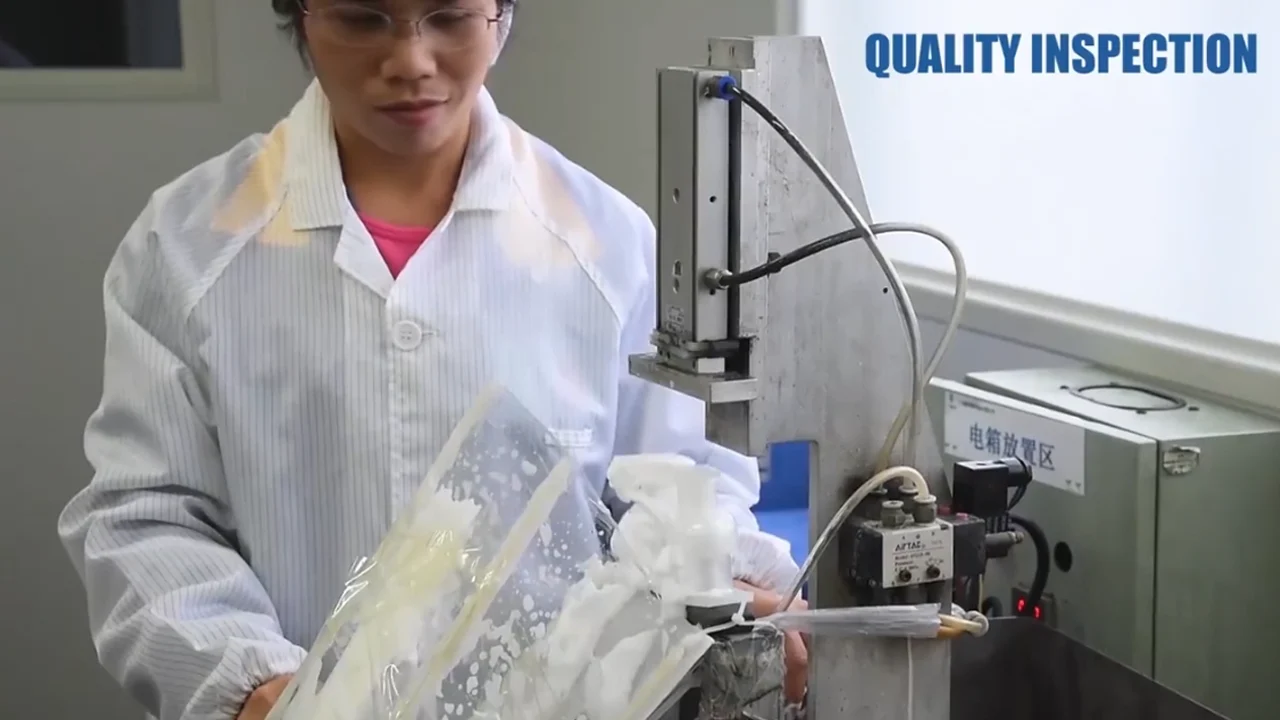
Many cosmetic brands experience packaging complaints caused by foam pump leakage, unstable dispensing, or poor foaming performance. These problems not only affect customer satisfaction but also increase return rates and damage brand reputation. A systematic quality inspection process helps buyers identify risks before mass production and improve packaging reliability.
Cosmetic foam pump quality is typically evaluated through leakage testing, actuator force testing, compatibility testing, life cycle testing, and foam stability assessment. During sample approval and bulk order acceptance, buyers should inspect sealing performance, dispensing consistency, spring durability, pump smoothness, and formula compatibility to reduce quality risks and ensure stable long-term performance.
Foam pumps may appear simple, but their performance depends on multiple precision components, material stability, and strict manufacturing control throughout the production process.
What Are the Most Common Quality Problems in Cosmetic Foam Pumps?
Cosmetic foam pumps are widely used in facial cleansers, hand soaps, baby care products, and personal care formulations. Compared with ordinary lotion pumps, foam pumps require more precise internal structures because they must mix liquid and air at a stable ratio to generate smooth foam.
In actual production, several common defects frequently appear.
Contents
- Leakage Around the Closure or Neck Finish
- Poor Foam Quality or Inconsistent Foam Output
- Actuator Jamming or High Pressing Force
- Spring Corrosion and Metal Contamination
- Pump Rebound Failure
- Leakage Test for Foam Pumps
- Actuator Force Test
- Compatibility Test Between Formula and Packaging
- Foam Stability Testing
- Life Cycle Test
- 1. Visual Inspection
- 2. Dimensional Verification
- 3. Trial Filling Test
- 4. Leakage Observation
- 5. Foaming Performance Test
- 6. Compatibility Observation
- 7. Transportation Simulation
- 8. User Experience Evaluation
- Factory Quality Control System
- Mold Precision Capability
- Testing Laboratory Capability
- Export Experience
- Production Stability
Leakage Around the Closure or Neck Finish
Leakage is one of the most serious quality issues in cosmetic packaging. It often occurs during transportation, temperature changes, or long-term storage.
Common causes include:
- Poor gasket sealing
- Incorrect neck finish dimensions
- Inconsistent torque during assembly
- Deformation caused by transportation pressure
- Material shrinkage after molding
For brands selling through e-commerce platforms, leakage complaints can significantly increase replacement costs and negative reviews.
Resource reference:
[Placeholder Link – Cosmetic Packaging Leakage Standards]
Poor Foam Quality or Inconsistent Foam Output
Consumers expect foam products to produce dense and smooth foam immediately after pressing. Poor foam quality directly affects user experience.
Typical problems include:
- Large bubbles
- Watery foam
- Uneven foam texture
- Intermittent dispensing
- Foam collapse within seconds
This issue is often related to:
- Mesh quality
- Air-liquid ratio
- Formula viscosity
- Pump chamber design
Actuator Jamming or High Pressing Force
Some foam pumps become difficult to press after repeated use. This problem is particularly common in low-cost packaging sourced without adequate quality control.
Potential causes include:
- Poor spring quality
- Dimensional tolerance issues
- Internal friction
- Low molding precision
- Inadequate lubrication
For elderly users or premium skincare products, actuator smoothness is especially important.
Spring Corrosion and Metal Contamination
Certain cosmetic formulations contain active ingredients, alcohol, or surfactants that may corrode metal springs inside the pump.
Once corrosion occurs, brands may encounter:
- Rust contamination
- Pump failure
- Reduced dispensing performance
- Product safety concerns
Many cosmetic foam pump manufacturers now use external spring designs to reduce direct contact between the spring and the formula.
Resource reference:
[Placeholder Link – Cosmetic Packaging Material Compatibility]
Pump Rebound Failure
After pressing, the actuator should quickly return to its original position. Slow rebound or incomplete recovery often indicates spring fatigue or poor internal sealing performance.
This issue becomes more obvious during life cycle testing.
Why Foam Pump Quality Matters for Cosmetic Brands
Packaging quality directly affects consumer perception of a cosmetic product. Even if the formula itself performs well, a defective foam pump can damage the entire user experience.
For cosmetic brands, stable foam pump quality helps:
- Reduce customer complaints
- Improve product consistency
- Minimize transportation leakage risks
- Strengthen brand reputation
- Improve online product ratings
- Reduce after-sales costs
For OEM and ODM factories, stable packaging performance also reduces production interruptions and filling line inefficiencies.
When sourcing cosmetic packaging from China, buyers should pay close attention to supplier quality systems instead of focusing only on unit price.
Key Testing Procedures for Cosmetic Foam Pumps
Professional foam pump quality control usually includes multiple testing stages before mass production approval.
Leakage Test for Foam Pumps
Leakage testing is one of the most important procedures during cosmetic packaging QA.
Common methods include:
Inverted Storage Test
Filled bottles are stored upside down for 24 to 72 hours to observe leakage around the closure area.
Vacuum Leakage Test
Pressure differences are applied to evaluate sealing reliability during transportation or air shipment.
Temperature Cycle Test
Products are exposed to alternating hot and cold environments to simulate warehouse and shipping conditions.
Transportation Simulation Test
Cartons are tested under vibration and compression conditions to evaluate packaging durability.
Resource reference:
[Placeholder Link – Foam Pump Leakage Testing Procedure]
Actuator Force Test
The actuator force test measures the pressure required to operate the foam pump.
A stable pressing force is important because it affects:
- Consumer comfort
- Perceived product quality
- Dispensing consistency
During testing, QC teams normally evaluate:
- Initial pressing force
- Repeated-use smoothness
- Force consistency between samples
Excessive force often indicates internal structural problems.
Compatibility Test Between Formula and Packaging
Compatibility testing evaluates whether the formula negatively interacts with the foam pump materials.
This test is especially important for products containing:
- Alcohol
- Essential oils
- Acids
- High surfactant concentrations
- Active skincare ingredients
Common compatibility risks include:
- Stress cracking
- Material discoloration
- Swelling
- Spring corrosion
- Reduced sealing performance
Most compatibility tests require accelerated aging under elevated temperatures for several weeks.
Resource reference:
[Placeholder Link – Cosmetic Packaging Compatibility Testing]
Foam Stability Testing
Foam stability is a key performance indicator for foam dispenser testing.
Quality inspectors usually evaluate:
- Foam density
- Bubble uniformity
- Foam retention time
- Texture smoothness
Consumers generally prefer dense foam that remains stable for a reasonable period after dispensing.
Poor foam stability often results from:
- Incorrect mesh design
- Formula incompatibility
- Air intake imbalance
Some laboratories use foam analyzers to measure foam collapse over time.
Life Cycle Test
The life cycle test evaluates long-term pump durability.
A cosmetic foam pump manufacturer may test pumps for:
- 3,000 cycles
- 5,000 cycles
- 10,000 cycles
During testing, inspectors observe:
- Pump smoothness
- Dosage consistency
- Spring fatigue
- Leakage development
- Structural cracking
This test helps buyers evaluate whether the supplier can maintain stable mass production quality.
Sample Evaluation Process Before Mass Production
Before approving bulk production, cosmetic brands should conduct a structured sample evaluation process.
A recommended procedure includes:
1. Visual Inspection
Check for:
- Scratches
- Flash marks
- Color differences
- Assembly defects
2. Dimensional Verification
Critical dimensions such as neck finish and dip tube length should match technical drawings.
3. Trial Filling Test
The actual formula should be filled into the packaging to evaluate real-use performance.
4. Leakage Observation
Samples should remain under observation during storage and transportation simulation.
5. Foaming Performance Test
Inspectors should compare:
- Foam texture
- Foam density
- Dispensing consistency
6. Compatibility Observation
Accelerated aging tests help identify long-term risks between formula and packaging materials.
7. Transportation Simulation
Drop tests and vibration tests help evaluate export packaging reliability.
8. User Experience Evaluation
Buyers should also assess:
- Pressing comfort
- Ergonomic design
- Consumer usability
Incoming Inspection Procedures for Bulk Orders
After bulk goods arrive at the factory or warehouse, incoming inspection remains essential.
Typical cosmetic packaging QA procedures include:
- AQL sampling inspection
- Carton condition inspection
- Random leakage testing
- Torque testing
- Cleanliness inspection
- Assembly verification
- Batch traceability confirmation
For large-scale OEM and ODM production, maintaining inspection records is important for future quality tracking.
Resource reference:
[Placeholder Link – Cosmetic Packaging AQL Inspection Guide]
How to Choose a Reliable Cosmetic Foam Pump Manufacturer in China
China remains one of the largest sourcing centers for cosmetic packaging. However, supplier capability varies significantly.
When selecting a cosmetic foam pump manufacturer, buyers should evaluate:
Factory Quality Control System
Reliable suppliers should have:
- Incoming material inspection
- In-process QC
- Final inspection procedures
Mold Precision Capability
High-quality foam pumps require stable molding precision and dimensional consistency.
Testing Laboratory Capability
Professional suppliers should perform:
- Leakage testing
- Life cycle testing
- Compatibility testing
- Actuator force testing
Export Experience
Suppliers familiar with international cosmetic brands usually understand packaging compliance and transportation requirements better.
Production Stability
Buyers should evaluate whether the supplier can maintain stable quality during mass production instead of only producing good samples.
What Buyers Should Request From Suppliers
Before approving orders, buyers should request technical documentation such as:
- Material specifications
- Test reports
- Life cycle records
- Leakage test standards
- Compatibility data
- REACH or RoHS compliance documents
- Production batch records
Professional documentation improves communication efficiency and reduces future disputes.
Conclusion
Professional foam pump quality control is essential for reducing packaging risks and improving customer satisfaction. A reliable supplier, systematic testing procedures, and clear inspection standards help cosmetic brands maintain stable product performance, improve sourcing efficiency, and avoid costly quality claims in global markets.