The beauty industry faces growing scrutiny over packaging waste and plastic pollution. While many brands claim to be “eco-friendly,” consumers today demand proof, not promises. The solution lies in eco design — creating sustainable cosmetic packaging that’s truly responsible, transparent, and trustworthy, from the raw material to the final unboxing.
Sustainable cosmetic packaging uses recyclable, biodegradable, or renewable materials to reduce environmental impact throughout its lifecycle. Eco design emphasizes circularity — minimizing waste, optimizing materials, and improving recyclability. By adopting refillable systems and green supply chains, brands demonstrate authenticity and environmental care. This transparency builds lasting trust, proving that responsible beauty can also be luxurious and desirable.
Let’s explore how sustainable materials, circular design, and responsible production are reshaping the beauty industry — and how eco packaging can help your brand earn consumer trust naturally and authentically.
Contents
- 1. The Rise of Eco Design in Beauty Packaging
- 2. What Makes Cosmetic Packaging Truly Sustainable?
- 3. Eco-Friendly Materials: From Paperboard to Bioplastics
- 4. Refillable and Recyclable Systems: Designing for Circularity
- 5. Green Supply Chains: Where Sustainability Begins
- 6. How Sustainability Builds Consumer Trust and Brand Loyalty
- 7. Innovations Driving the Future of Sustainable Beauty Packaging
- 8. Our Factory’s Commitment: Sustainable Design, Responsible Production
- Summary
1. The Rise of Eco Design in Beauty Packaging
Over the past decade, sustainability has transformed from a marketing slogan into a design principle. Consumers no longer separate beauty from responsibility. They expect their favorite brands to protect not only their skin — but the planet too.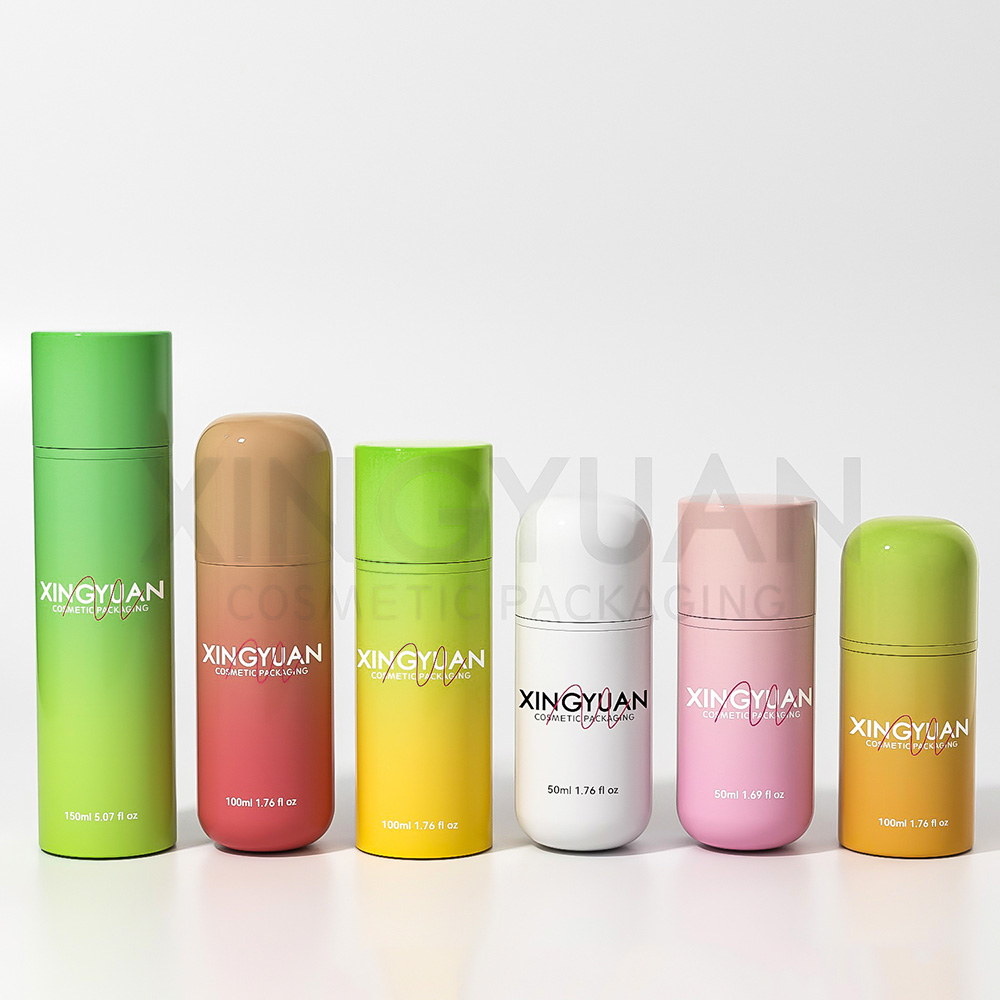
Eco design is at the heart of this change. It’s about rethinking packaging from beginning to end, considering every stage — materials, manufacturing, transport, use, and disposal. The goal isn’t just to “use less plastic” but to design smarter, cleaner, and more circular systems that create long-term value.
In today’s market, brands that embrace sustainability are not just seen as eco-friendly — they’re perceived as modern, ethical, and forward-thinking.
2. What Makes Cosmetic Packaging Truly Sustainable?
True sustainability is measurable, transparent, and holistic. It’s not about using one “green” material; it’s about designing the entire lifecycle responsibly.
♻️ The three pillars of sustainable packaging:
- Eco materials: Renewable, recycled, or biodegradable options.
- Circular design: Packaging designed for reuse, refill, or easy recycling.
- Responsible manufacturing: Energy-efficient processes and ethical sourcing.
For example, packaging that uses PCR (Post-Consumer Recycled) plastics, FSC-certified paper, or biodegradable films supports waste reduction. However, without proper design for separation and recycling, even good materials can fail to be sustainable.
That’s why eco design considers the entire system — not just the product itself but how it’s produced, used, and reintegrated into the environment.
3. Eco-Friendly Materials: From Paperboard to Bioplastics
Material selection is the foundation of sustainable packaging. Each material offers different benefits — both environmentally and aesthetically.
🌿 Common sustainable materials in cosmetic packaging:
- Paperboard & Kraft Paper: Lightweight, renewable, and ideal for secondary boxes. Works beautifully with natural or minimalist brand aesthetics.
- Glass: 100% recyclable and luxurious. Perfect for skincare and perfume bottles that emphasize purity and permanence.
- Aluminum: Lightweight, durable, and infinitely recyclable — often used for premium creams or refill pods.
- Bamboo & Wood: Biodegradable, renewable, and tactile. Adds a natural, artisanal touch to eco-luxury brands.
- PCR Plastics: Made from post-consumer waste, reducing virgin plastic dependency. Excellent for brands scaling production sustainably.
- Bio-based Plastics (PLA, PHA): Derived from plants or algae, these offer compostable options for select cosmetic containers.
Our factory specializes in material innovation, combining visual elegance with environmental performance. For example, we produce hybrid designs — glass bodies with bamboo caps or PCR inner jars — to balance sustainability with style.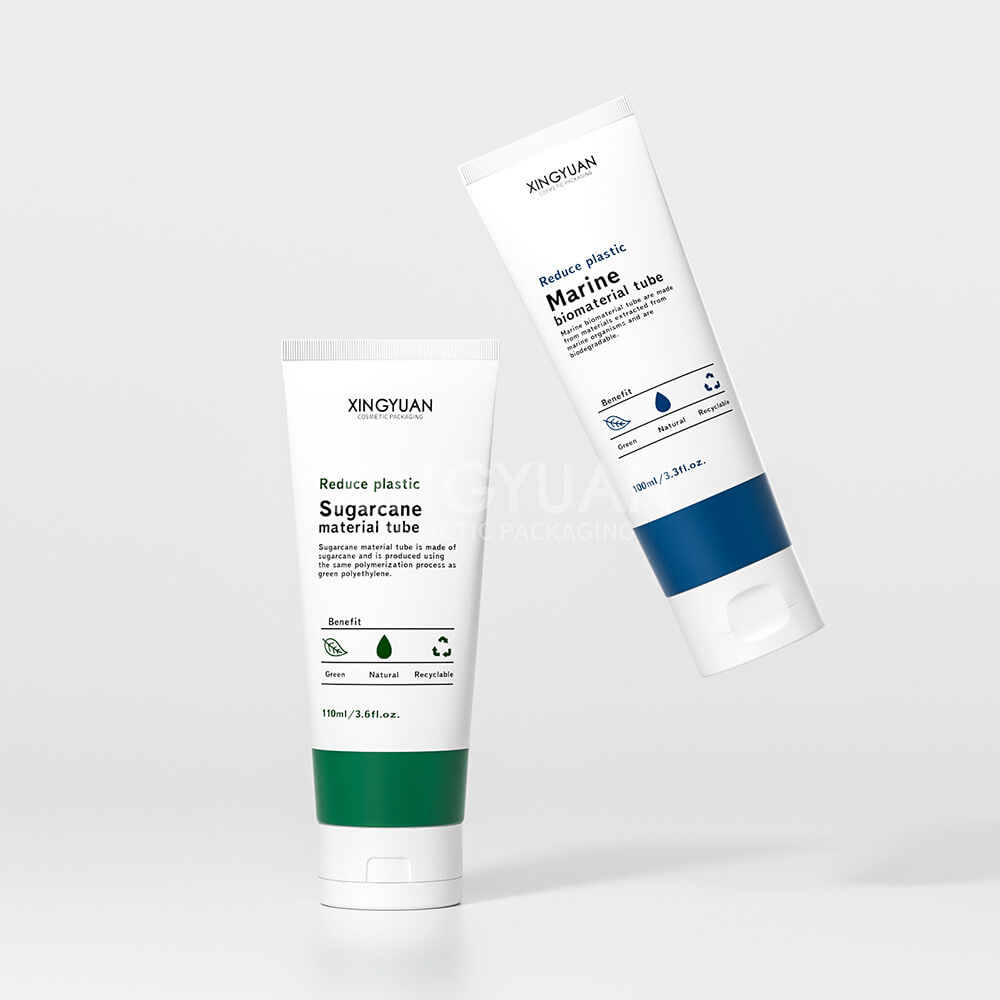
4. Refillable and Recyclable Systems: Designing for Circularity
The circular economy is the new frontier of beauty packaging. Instead of a linear “make–use–dispose” system, circular packaging is designed to stay in motion — to be reused, refilled, or recycled without waste.
🌸 Examples of circular systems:
- Refillable compacts and jars: Customers replace only the inner container.
- Modular bottle systems: Reusable outer shells with recyclable refills.
- Mono-material packaging: Eliminates mixed materials for easier recycling.
- Return-and-reuse programs: Encourage consumers to send empties back for reuse.
This approach not only reduces waste but also enhances brand loyalty. Consumers appreciate the tactile ritual of refilling and the sense of contribution to sustainability.
At our factory, we help brands develop refill-ready packaging systems, including airless refill cartridges and durable outer casings — maintaining beauty, performance, and eco integrity.
5. Green Supply Chains: Where Sustainability Begins
Sustainability doesn’t start at the shelf — it starts at the factory. A truly eco-conscious brand must ensure every stage of production aligns with its green promise.
🌱 Components of a green supply chain:
- Ethical sourcing: Using certified materials (FSC, Ecocert, ISO 14001).
- Energy efficiency: Factories powered by renewable or optimized energy systems.
- Low-carbon logistics: Optimized packaging size and local production to reduce emissions.
- Waste reduction: Closed-loop manufacturing where scrap materials are reused.
- Transparency: Traceable materials and documented environmental compliance.
Our factory integrates green manufacturing practices — from water-based coatings and UV curing systems to solar energy integration. We maintain partnerships with eco-certified suppliers to guarantee material integrity throughout the chain.
By sharing these practices transparently with clients, we help them strengthen their sustainability credibility in the eyes of consumers.
6. How Sustainability Builds Consumer Trust and Brand Loyalty
Today’s beauty consumers are informed, conscious, and skeptical. They don’t just read labels — they research supply chains. Sustainability is no longer a trend; it’s a trust currency.
Brands that prove environmental responsibility gain deeper, longer-term relationships with their customers.
🌍 Why sustainability earns trust:
- Transparency: Sharing material origins and production ethics builds authenticity.
- Consistency: Applying eco principles across product lines shows real commitment.
- Empowerment: Refillable or recyclable designs make consumers feel involved in the solution.
- Education: Using packaging to communicate sustainability efforts strengthens brand credibility.
According to recent studies, over 70% of global consumers say they are more likely to trust brands with visible sustainability actions. Eco design thus becomes not only an environmental duty but also a strategic branding tool.
We help our clients communicate this value by integrating visible sustainability cues — recyclable icons, embossed eco statements, or QR codes linking to material transparency pages.
7. Innovations Driving the Future of Sustainable Beauty Packaging
Sustainability is evolving fast. The next generation of cosmetic packaging will combine eco design with smart technology to further reduce waste and enhance user experience.
🔬 Key trends shaping the future:
- Refillable luxury systems: Combining elegance and sustainability for premium brands.
- Compostable and water-soluble films: Designed for single-use sachets and wipes.
- Smart packaging: QR or NFC tags offering recycling guidance and brand storytelling.
- 3D printing: Enables local, low-waste production with minimal shipping impact.
- Closed-loop recycling programs: Factories reclaim and reuse old packaging materials.
Our R&D team constantly explores new materials and production techniques to help brands stay ahead of sustainability trends without sacrificing creativity or performance.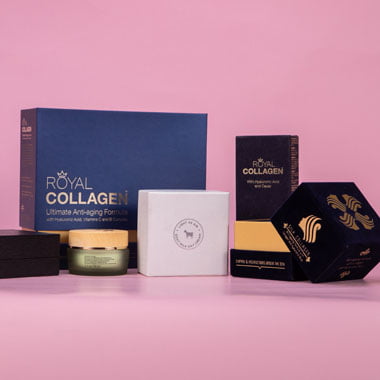
8. Our Factory’s Commitment: Sustainable Design, Responsible Production
Eco design is more than a service — it’s our philosophy. We believe sustainability and beauty should coexist effortlessly.
🏭 Our sustainability approach includes:
- Material innovation: Biodegradable, recyclable, and hybrid eco materials.
- Energy efficiency: Clean production powered by solar and low-emission systems.
- Waste management: Reuse of scrap plastics and paper trimmings.
- Design consultation: Helping brands balance aesthetic goals with environmental responsibility.
- Green certification support: Assistance in obtaining sustainability labels like FSC or Ecocert.
Our five-member design team specializes in eco-brand storytelling, creating packaging that feels premium but lives sustainably. From small indie brands to established luxury houses, we craft tailored eco solutions that reflect brand values and market goals.
When your packaging tells a sustainability story, your customers listen — and trust you more deeply.
Summary
Sustainable packaging isn’t just a design choice — it’s a promise. By embracing eco materials, recyclable systems, and green manufacturing, beauty brands show genuine respect for both people and the planet. Our factory turns this promise into reality, crafting eco packaging that builds trust, beauty, and a cleaner future.